Outdoor Activities: How Nature Helps Relieve Stress
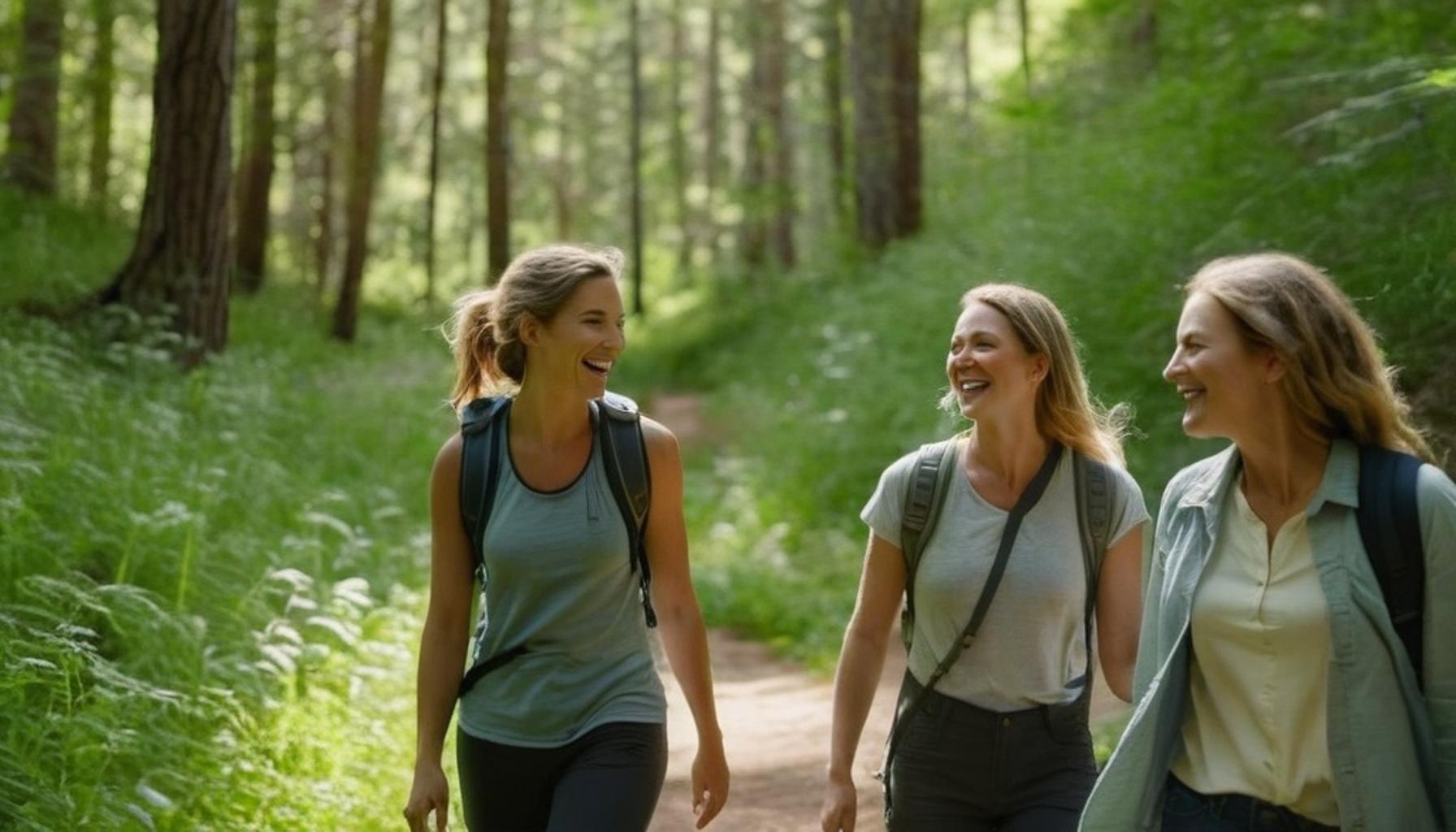
Why Nature Is America’s Untapped Stress Reliever
Picture this: after a hectic week glued to screens, you step outside, breathe in fresh air, and feel your shoulders relax almost instantly. That’s not just a coincidence—it’s science. Outdoor Activities Stress Relief has become one of the most talked-about wellness trends across the United States, and for good reason. From bustling cities like Chicago to quiet suburbs in the Midwest, Americans are searching for something beyond apps and pharmaceuticals.
From national parks in Colorado to quiet trails in New England, Americans are rediscovering something our ancestors always knew: nature heals. Research from Stanford University found that a 90-minute walk in natural settings can significantly reduce activity in the brain region linked to depression and anxiety. Similar studies from the University of Michigan suggest that even viewing images of green spaces can lower heart rate and blood pressure within minutes, a phenomenon researchers call the “nature effect.”
The Growing Case for Nature and Mental Health
Mental health struggles have surged nationwide, with the CDC reporting that over 40% of adults experience regular stress symptoms. Meanwhile, interest in stress relief through nature continues climbing, as more people seek alternatives to medication and screen-based relaxation methods. Google search trends show a steady rise in queries like “forest bathing near me” and “best hiking trails for anxiety,” signaling a cultural shift toward outdoor healing practices.
So what makes the outdoors so powerful? Consider a few key benefits:
- Lower cortisol levels after just 20 minutes outside, according to a University of Michigan study
- Improved mood through exposure to sunlight and fresh air, which boosts serotonin production naturally
- Enhanced focus and reduced mental fatigue, sometimes called “attention restoration”
- Better sleep quality tied to daytime outdoor movement and natural light exposure
These aren’t just feel-good claims—they’re backed by growing scientific evidence highlighting the effects of nature on stress. Even short lunch breaks spent in a local park have been linked to measurable improvements in workplace productivity and emotional resilience.
What This Article Will Explore
This piece dives into the specific benefits of outdoor activities, practical ways to get started, and the best outdoor activities for relaxation suited to different lifestyles. Whether you’re a city dweller squeezing in a walk through Central Park or someone living near open wilderness in Montana, there’s a nature-based solution waiting for you to discover.
SEE ALSO: The importance of conscious breathing in reducing daily stress
The Science Behind Outdoor Activities and Mental Wellness
Walk into any American town today, and you’ll notice something different: more people lacing up hiking boots, joining local running clubs, or simply sitting in parks during lunch breaks. This isn’t a passing fad. It’s a direct response to what researchers now confirm—outdoor activities stress relief works on a biological level, not just as a placebo effect.
A landmark study published in the International Journal of Environmental Health Research found that spending just two hours per week in natural environments significantly improves both physical and psychological well-being. That breaks down to roughly 17 minutes a day, an achievable goal for most people juggling work and family responsibilities.
How Different Outdoor Activities Impact Your Body and Mind
Not all outdoor experiences produce the same results. Some activities target physical tension, while others work more directly on mental clarity. Understanding these differences helps you choose the right approach for your specific stress triggers.
- Hiking combines cardiovascular exercise with immersive scenery, triggering endorphin release while distracting the mind from repetitive worry patterns
- Gardening has been shown in University of Colorado research to lower cortisol nearly as effectively as light jogging
- Cycling outdoors engages rhythmic movement, which psychologists associate with meditative, anxiety-reducing states
- Simply sitting near water, whether a lake in Minnesota or the Pacific coastline, activates what scientists call “blue mind,” a calm, meditative brain state
This variety matters because stress relief through nature isn’t one-size-fits-all. Someone recovering from burnout might benefit more from slow, mindful forest walks, while a person dealing with restless energy might find relief in more vigorous trail running.
Nature and Mental Health: A Nationwide Pattern
Data from the National Recreation and Park Association shows that Americans living within a 10-minute walk of green space report 20% lower stress levels than those without easy access. This gap has fueled urban planning initiatives in cities like Denver and Austin, where officials are actively expanding public parks specifically to address community mental health.
Interestingly, the effects of nature on stress extend beyond individual outings. Communities with more tree coverage and accessible trails report stronger social bonds, since shared outdoor spaces naturally encourage interaction, walking groups, and family activities that reduce isolation.
The takeaway is clear: whether it’s a 15-minute walk around the block or a weekend camping trip in the Appalachians, consistent exposure to the outdoors delivers measurable, cumulative benefits. The next section breaks down exactly how to build these habits into a realistic weekly routine.
DIVE DEEPER: Click here to enhance your sleep quality
Building a Practical Outdoor Routine for Lasting Stress Relief
Knowing that nature reduces stress is one thing. Actually fitting outdoor activities for relaxation into a packed American schedule is another challenge entirely. The good news? Researchers have identified specific patterns that make outdoor stress relief sustainable, even for the busiest households.
Timing Matters More Than You Think
A study from Stanford University found that morning exposure to natural light and greenery produces stronger cortisol-reducing effects than evening sessions. Participants who took 20-minute walks before 10 a.m. reported feeling calmer throughout the entire workday, compared to those who exercised outdoors after 6 p.m.
This doesn’t mean evening walks are useless. It simply suggests that benefits of outdoor activities can be maximized by aligning them with your body’s natural cortisol rhythm, which peaks shortly after waking.
Regional Differences Across the United States
Where you live shapes how you experience nature’s calming effects. Someone in Seattle has different options than a resident of Phoenix or Miami, yet each region offers unique pathways to stress relief.
- Pacific Northwest residents benefit from dense forest trails, with places like Olympic National Park offering what Japanese researchers call “forest bathing,” a practice linked to reduced blood pressure and lower anxiety scores
- Southwestern states like Arizona and New Mexico provide desert landscapes where wide-open horizons have been shown to promote what psychologists term “awe,” a powerful emotion connected to reduced rumination
- Coastal states including Florida and California give residents easy access to beach environments, where consistent wave sounds measurably slow heart rate variability
- Midwestern communities often rely on expansive park systems and lake access, such as Chicago’s lakefront trail, which sees over 100,000 daily users seeking outdoor relief
Regardless of geography, the underlying principle remains constant: consistent, intentional time outdoors produces measurable psychological rewards.
Small Adjustments, Significant Results
You don’t need a national park nearby to experience stress relief through nature. A 2023 survey from the American Psychological Association revealed that 68% of adults who added even brief outdoor breaks, like eating lunch on a bench instead of at a desk, reported noticeably improved mood within two weeks.
Simple strategies include:
- Scheduling walking meetings instead of conference room discussions
- Choosing outdoor seating at coffee shops or restaurants
- Parking farther from entrances to increase natural walking time
- Setting a recurring weekend reminder for local trail visits
These adjustments require no special equipment or financial investment, yet they consistently appear in nature and mental health research as effective, low-barrier interventions for everyday stress management.
DIVE DEEPER: Click here to discover more
## The Bigger Picture on Nature’s Role in Everyday Well-BeingThe science is consistent, and it’s compelling. From Stanford’s findings on morning cortisol rhythms to the sensory calm of ocean waves along the California coast, every angle points toward the same conclusion: outdoor activities stress relief isn’t a wellness trend, it’s a measurable physiological response backed by decades of research.What makes this particularly encouraging is accessibility. Whether someone is hiking through Olympic National Park or simply eating lunch on a bench outside their office, the effects of nature on stress don’t require elaborate planning or expensive gear. They require intention.Consider what’s been outlined throughout this discussion:
- Cortisol drops measurably after just 20 minutes outdoors
- Regional landscapes, from deserts to lakefronts, offer different but equally valid paths to calm
- Small daily adjustments, like walking meetings or outdoor seating, produce real mood improvements within weeks
This body of evidence suggests something worth remembering: nature and mental health are deeply intertwined, not as an abstract concept, but as a practical resource available in nearly every American zip code.Looking ahead, researchers continue exploring how urban planning, workplace policy, and even architecture might incorporate more green space to support public health at scale. Some cities are already testing “nature prescriptions,” where doctors recommend outdoor time alongside traditional treatment.For now, the takeaway remains refreshingly simple. Stress relief through nature doesn’t demand a mountain summit or a weekend getaway. It asks for consistency, a short walk, an open window, a few minutes of sunlight before the workday begins.The outdoors isn’t going anywhere. The only question left is whether you’ll step outside and let outdoor activities for relaxation become part of how you navigate stress, starting today.
Frequently Asked Questions
How long do I need to spend outdoors to notice stress relief benefits?
Research shows that as little as 20 to 30 minutes in a natural setting can lower cortisol levels and reduce feelings of stress. Even a short walk in a park during your lunch break can produce measurable calming effects. For deeper relaxation, aim for at least 2 hours a week spread across multiple outings.
What outdoor activities are most effective for stress relief?
Walking or hiking in green spaces, gardening, and forest bathing are among the most studied activities for reducing anxiety and stress. Water-based activities like kayaking or simply sitting near a lake also help by engaging multiple senses and promoting mindfulness. The key is choosing an activity that feels enjoyable rather than forced, since enjoyment amplifies the stress-reducing effect.
Can outdoor exercise reduce stress more than indoor workouts?
Yes, studies comparing outdoor and indoor exercise found that outdoor workouts led to greater reductions in tension, anger, and fatigue compared to identical workouts done indoors. Natural light, fresh air, and changing scenery contribute to this enhanced effect. Activities like trail running or outdoor yoga combine physical exertion with nature exposure for a double stress-relief benefit.
Does the type of natural environment matter for reducing stress?
Yes, environments with dense vegetation, water features, and biodiversity tend to produce stronger relaxation responses than urban parks with minimal greenery. Forests and coastal areas are particularly effective due to compounds like phytoncides released by trees and the calming sound of waves. However, even small urban green spaces or a backyard garden can still provide meaningful stress reduction if regular nature access is limited.
Is it necessary to disconnect from phones during outdoor activities to relieve stress?
While not strictly required, minimizing phone use during outdoor time significantly boosts stress-relief benefits by allowing full attention on natural surroundings. Constant notifications can trigger the same stress responses you’re trying to escape, undermining the calming effects of nature. Try setting your phone to airplane mode or leaving it in your bag for at least part of your outdoor session.

Linda Carter
Linda Carter is a writer specializing in healthy habits and balanced living. With extensive experience helping readers build sustainable routines, she shares practical guidance on nutrition, physical activity, quality sleep, stress management, and emotional well-being. Her goal is to offer simple, accessible strategies that inspire people to care for their health and enjoy a more balanced life.