The importance of conscious breathing in reducing daily stress
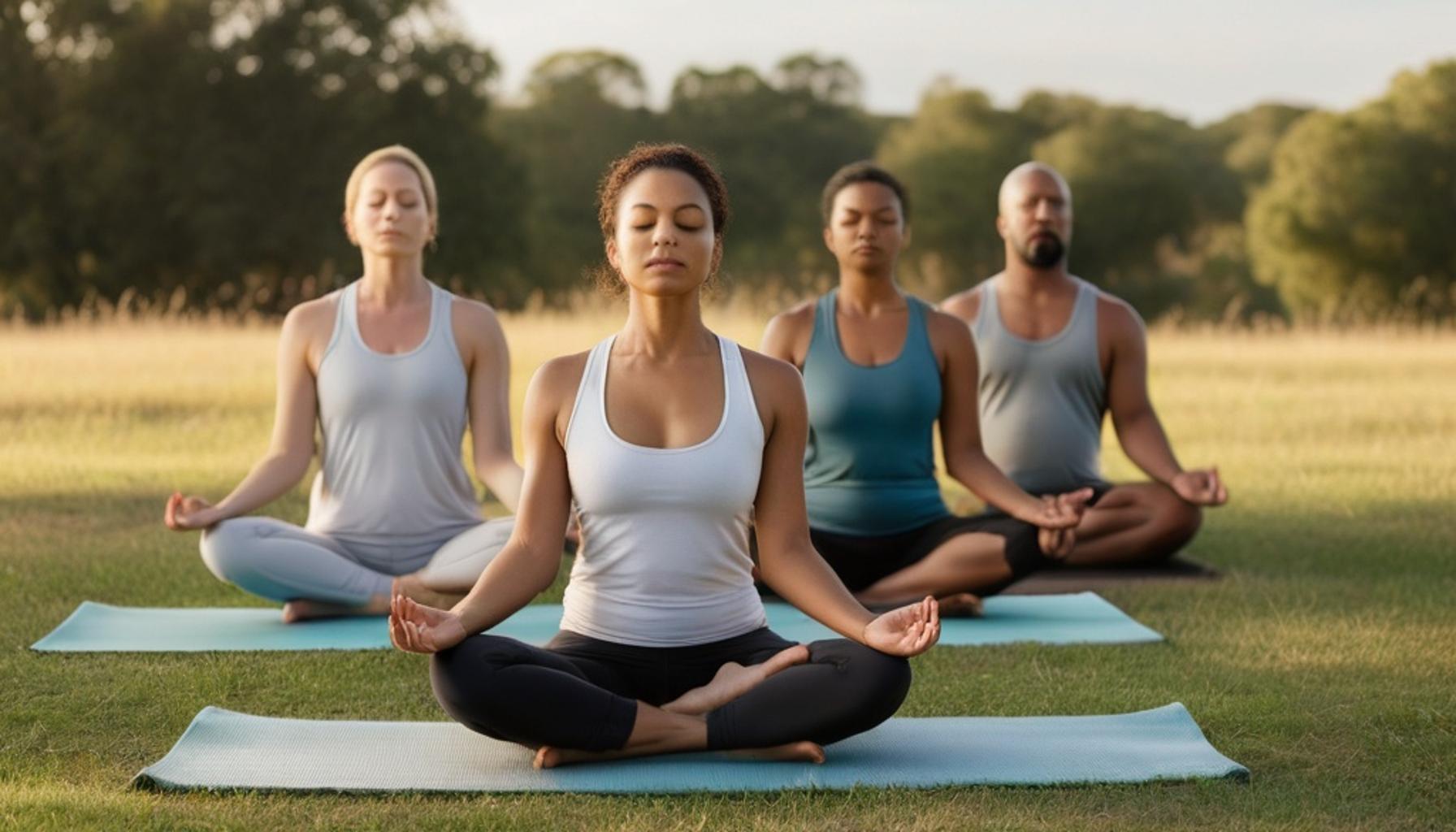
Why Your Breath Might Be the Most Underused Stress Tool You Own
Picture a typical Tuesday: back-to-back Zoom calls, an inbox that never empties, and traffic on the interstate that tests your patience. Your shoulders creep up toward your ears, your jaw tightens, and your breathing turns shallow without you even noticing.
This is where conscious breathing and stress relief enters the conversation. Unlike expensive wellness gadgets or hour-long routines, this practice is free, portable, and backed by decades of physiological research.
The Science Behind a Simple Inhale
When stress hits, the body activates its sympathetic nervous system, triggering the classic fight-or-flight response. Slow, intentional breathing does the opposite: it signals the parasympathetic nervous system to calm things down.
Studies published in journals like Frontiers in Psychology show that just a few minutes of controlled breathing can lower cortisol levels and reduce heart rate. That’s a measurable, biological shift—not just a feel-good idea. Researchers have even used imaging technology to observe how slower breathing patterns influence brain regions tied to emotional regulation, offering a rare glimpse into how something as automatic as respiration can be consciously redirected to change our mental state.
Some of the most notable benefits of deep breathing include:
- Lower blood pressure and reduced muscle tension
- Improved focus and mental clarity during high-pressure moments
- Better sleep quality when practiced before bedtime
- Greater emotional regulation during conflict or anxiety spikes
From Silicon Valley Boardrooms to Suburban Living Rooms
Across the United States, more people are turning to mindfulness breathing exercises as a practical answer to burnout. From corporate wellness programs in New York to yoga studios in California, this isn’t a fringe trend anymore—it’s becoming mainstream science. Even professional sports teams and military training programs have adopted structured breathing protocols to help athletes and service members regain composure under intense pressure.
What makes this especially compelling is the accessibility factor. There’s no subscription fee, no app required, and no special equipment. A commuter stuck on a Los Angeles freeway can use the same technique as an executive prepping for a high-stakes presentation in Chicago. The tool travels with you because it literally lives inside you.
Health professionals often point out that breathing exercises are not a replacement for therapy or medical treatment, but rather a complementary strategy that fits into daily routines. A short pause before a stressful meeting, a few rounds of deep breaths during a school pickup line, or an evening wind-down ritual can all serve as entry points into a more consistent practice.
So how exactly does this work, and what are the best stress reduction techniques and breathing practices for anxiety you can start using today? Let’s break down how to manage stress using nothing more than the air you already breathe.
DISCOVER MORE: Click here to learn about the benefits of a plant-based diet
# The Anatomy of a Stress Response—and Why Breath Interrupts It
What Happens Inside Your Body Before You Even Reach for Coffee
Before your alarm even finishes its second buzz, your body may already be gearing up for stress. A tight deadline flashing across your mind, a text from your boss, or simply the anticipation of a hectic day can trigger a cascade of physiological changes. This is the foundation of understanding conscious breathing and stress relief—recognizing that stress often begins before we consciously register it.
Your adrenal glands release cortisol and adrenaline, your heart rate ticks upward, and your breathing pattern shifts to short, shallow gulps of air. It’s an ancient survival mechanism, useful for escaping predators but far less helpful when the “threat” is a crowded inbox or a toddler refusing to put on shoes. This response, often called the fight-or-flight reaction, evolved over thousands of years to protect early humans from immediate physical danger. The problem is that modern stressors rarely require a physical escape, yet the body still reacts as though survival is on the line, flooding the bloodstream with hormones meant for sprinting, not sitting through a traffic jam on the interstate.
Researchers at institutions like Harvard Medical School have spent decades studying this mismatch between ancient biology and modern life. What they’ve found is striking: the body cannot always distinguish between a genuine emergency and a stressful email. Both trigger nearly identical hormonal responses, which is why chronic low-grade stress can feel just as exhausting as an actual crisis.
The Diaphragm: An Underrated Stress Regulator
Most adults breathe using only the upper chest, a pattern that keeps the nervous system on high alert. Shifting to diaphragmatic breathing—engaging the muscle beneath the lungs—sends an entirely different signal to the brain.
This is one of the core stress reduction techniques taught in clinical settings, from Veterans Affairs hospitals to university counseling centers across the country. Physical therapists and psychologists alike recommend it because the results are quick and noticeable, often within minutes. Some clinics even use biofeedback devices to show patients in real time how their heart rate slows as their breath deepens, turning an abstract concept into something visibly measurable.
Consider these physiological shifts that occur during a single session of deep, diaphragmatic breathing:
- Heart rate variability improves, a key marker of resilience to stress
- Oxygen exchange becomes more efficient, reducing fatigue
- The vagus nerve activates, promoting a calming, “rest and digest” state
- Mental chatter often quiets, creating space for clearer decision-making
Athletes, first responders, and even public speakers have adopted these techniques long before they became mainstream wellness advice. Navy SEALs, for example, have publicly discussed using controlled breathing methods to stay calm under extreme pressure, a detail that has helped popularize the practice among everyday Americans looking for similar composure during job interviews or difficult conversations.
Why Most People Never Notice They’re Breathing Wrong
Unlike a broken bone or a headache, shallow breathing rarely announces itself with obvious pain. It hides in plain sight, disguised as normal daily functioning. Many people go years without realizing that their breath has become a constant, low-grade stressor rather than a tool for relief.
This is precisely why mindfulness breathing exercises have gained traction among therapists treating anxiety disorders. Instead of asking clients to eliminate stress entirely—an unrealistic goal—these exercises teach the nervous system to recover faster after stress hits. It’s less about avoiding stress altogether and more about building a faster, more efficient off-switch.
Data from the American Institute of Stress suggests that over 70 percent of adults report experiencing physical symptoms caused by stress, ranging from headaches to digestive issues. Breathing practices offer a low-cost, evidence-supported entry point for people looking to address these symptoms without immediately turning to medication. Community health centers in cities like Chicago and Austin have even begun offering free breathing workshops, reflecting a growing recognition that this simple tool deserves a place alongside more conventional treatments.
Understanding this connection between breath and biology sets the stage for something even more practical: learning exactly which techniques work best, and when to use them throughout an ordinary, overloaded day.
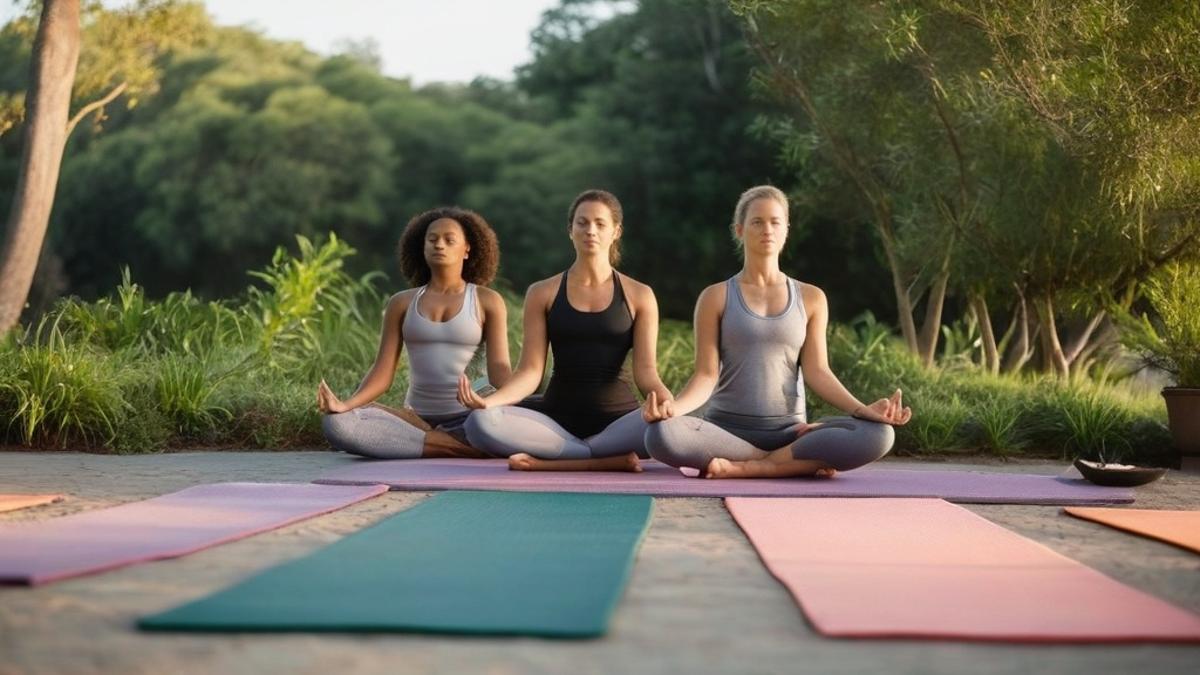
Key Aspects of Conscious Breathing and Stress Relief
Understanding conscious breathing and stress relief becomes easier when you break down its core components. The table below highlights essential elements of mindfulness breathing exercises and their direct impact on daily wellbeing, offering a quick reference before diving deeper into practical applications.
| Category | Description |
|---|---|
| Diaphragmatic Breathing | Activates the vagus nerve, lowering cortisol levels and promoting relaxation within minutes. |
| 4-7-8 Technique | A popular stress reduction technique that slows heart rate and calms the nervous system quickly. |
| Box Breathing | Used by professionals under pressure, this method improves focus while easing anxiety symptoms. |
| Daily Practice Benefits | Regular sessions enhance how to manage stress long-term, improving sleep and emotional balance. |
Each of these breathing practices for anxiety offers a unique entry point depending on your lifestyle and stress triggers. Exploring the benefits of deep breathing further reveals how small, consistent habits can reshape your body’s response to daily pressures.
DISCOVER MORE: Click here for insights on daily meditation for mental health
# From Boardrooms to Bedrooms: Where Breathing Techniques Actually Fit Into American Life
Matching the Method to the Moment: A Practical Breakdown
Not every stressful situation calls for the same response. A commuter stuck on the 405 in Los Angeles needs something different than a nurse finishing a 12-hour shift in Cleveland. This is where conscious breathing and stress relief becomes less about theory and more about strategic application throughout the day.
Clinical researchers have identified specific patterns that work best for specific triggers. The 4-7-8 method, popularized by Dr. Andrew Weil, involves inhaling for four counts, holding for seven, and exhaling for eight. It’s frequently recommended for pre-sleep anxiety, a complaint that affects roughly 50 to 70 million Americans according to the CDC.
Box breathing, on the other hand, follows equal counts on all four phases—inhale, hold, exhale, hold—and has become a favorite among first responders and executives needing quick composure before high-stakes meetings.
What Corporate Wellness Programs Have Discovered
Companies like Google and Aetna have invested heavily in workplace wellness initiatives, and breathing exercises consistently appear as a low-cost, high-impact offering. Aetna’s internal study, involving thousands of employees, found that those who practiced mindfulness and breathing techniques regularly saved the company an estimated 3,000 dollars annually per employee in stress-related healthcare costs.
This data point matters because it shifts breathing practices for anxiety out of the wellness-blog category and into measurable business outcomes. When Fortune 500 companies start tracking return on investment for breath work, it signals a broader legitimacy that skeptics can no longer easily dismiss.
Here are situations where targeted breathing techniques tend to show the clearest benefits:
- Before a difficult conversation with a coworker or family member
- While waiting in a doctor’s office for test results
- During the final stretch of a long commute in heavy traffic
- Immediately after receiving an unexpected bill or financial surprise
- In the minutes before public speaking or a job interview
The Overlooked Role of Breath in Long-Term Health
Beyond the immediate calming effect, there’s growing evidence connecting how to manage stress through breath to longer-term cardiovascular outcomes. A study published in the Journal of the American Heart Association found that consistent slow-breathing practice was associated with measurable reductions in blood pressure over several weeks, comparable in some cases to modest lifestyle interventions.
This doesn’t mean breathing replaces medical treatment. Cardiologists are quick to point out that it works best as a complementary strategy, not a substitute for prescribed care. Still, the fact that something so simple can produce trackable changes has caught the attention of researchers at places like the Cleveland Clinic, which now includes breath-focused relaxation as part of some cardiac rehabilitation programs.
The benefits of deep breathing extend into areas people rarely expect, including digestion and immune function, since chronic stress hormones are known to suppress gut motility and weaken immune response over time. Slowing the breath, even for five minutes, appears to interrupt that hormonal cascade before it compounds throughout the day.
The Bottom Line: Small Habit, Measurable Payoff
What emerges from all this research is a simple truth: conscious breathing and stress relief are not fringe concepts anymore. They’re backed by cardiologists, adopted by Fortune 500 companies, and studied by institutions like the CDC and the Cleveland Clinic. That’s a level of scrutiny most wellness trends never survive.
The appeal lies partly in accessibility. Unlike expensive supplements or hours-long workout routines, stress reduction techniques rooted in breath require no equipment, no membership, and no waiting room. A commuter in Atlanta traffic and a nurse in a Cleveland hospital can both use the same five minutes to interrupt a stress response before it escalates.
Still, it’s worth resisting the urge to treat breathing exercises as a cure-all. The benefits of deep breathing are real but incremental, built through repetition rather than a single dramatic session. Cardiologists and mental health professionals consistently frame it as one tool among many, not a replacement for therapy, medication, or medical care when those are needed.
What does seem clear is that ignoring the breath entirely means leaving a low-cost, evidence-supported resource untouched. Whether someone turns to box breathing before a job interview or the 4-7-8 method before bed, the underlying mechanism, calming the nervous system through intentional pacing, remains consistent across situations.
For readers wondering how to manage stress more effectively without overhauling their entire routine, breath work offers a reasonable starting point. It won’t solve every source of daily pressure, but as more workplaces, hospitals, and researchers document its effects, it’s becoming harder to dismiss as just another wellness fad. Sometimes the most overlooked solutions are the ones we’ve been doing, without much thought, our entire lives.
Frequently Asked Questions
How does conscious breathing and stress relief actually work in the body?
Conscious breathing activates the parasympathetic nervous system, which lowers heart rate and reduces cortisol levels. This shifts the body out of fight-or-flight mode and into a calmer, more relaxed state within minutes. Over time, regular practice trains your nervous system to recover from stress more quickly.
What is the best breathing technique for quick stress relief during a busy workday?
The 4-7-8 technique, where you inhale for 4 seconds, hold for 7, and exhale for 8, is highly effective for rapid stress relief. It can be done discreetly at a desk or in a meeting without anyone noticing. Just two or three cycles can noticeably reduce tension and mental fog.
How many minutes a day should I practice conscious breathing to see results?
Research suggests that just 5 to 10 minutes of focused breathing practice daily can measurably reduce stress and anxiety symptoms. Consistency matters more than duration, so short daily sessions are more beneficial than occasional long ones. Many people notice improved mood and focus within one to two weeks of regular practice.
Can conscious breathing help with stress-related sleep problems?
Yes, slow diaphragmatic breathing before bed helps lower heart rate and quiet racing thoughts, making it easier to fall asleep. Techniques like box breathing or extended exhales signal safety to the nervous system, counteracting the alertness caused by daytime stress. Practicing consistently for a few weeks often improves both sleep onset and quality.
Is conscious breathing effective for chronic stress, or only occasional stress?
Conscious breathing benefits both chronic and situational stress, though chronic stress may require more consistent, long-term practice to see lasting change. Regular practice can help regulate baseline cortisol levels and improve resilience to future stressors. For severe or persistent stress, combining breathing exercises with other treatments like therapy is often more effective.

Linda Carter
Linda Carter is a writer specializing in healthy habits and balanced living. With extensive experience helping readers build sustainable routines, she shares practical guidance on nutrition, physical activity, quality sleep, stress management, and emotional well-being. Her goal is to offer simple, accessible strategies that inspire people to care for their health and enjoy a more balanced life.