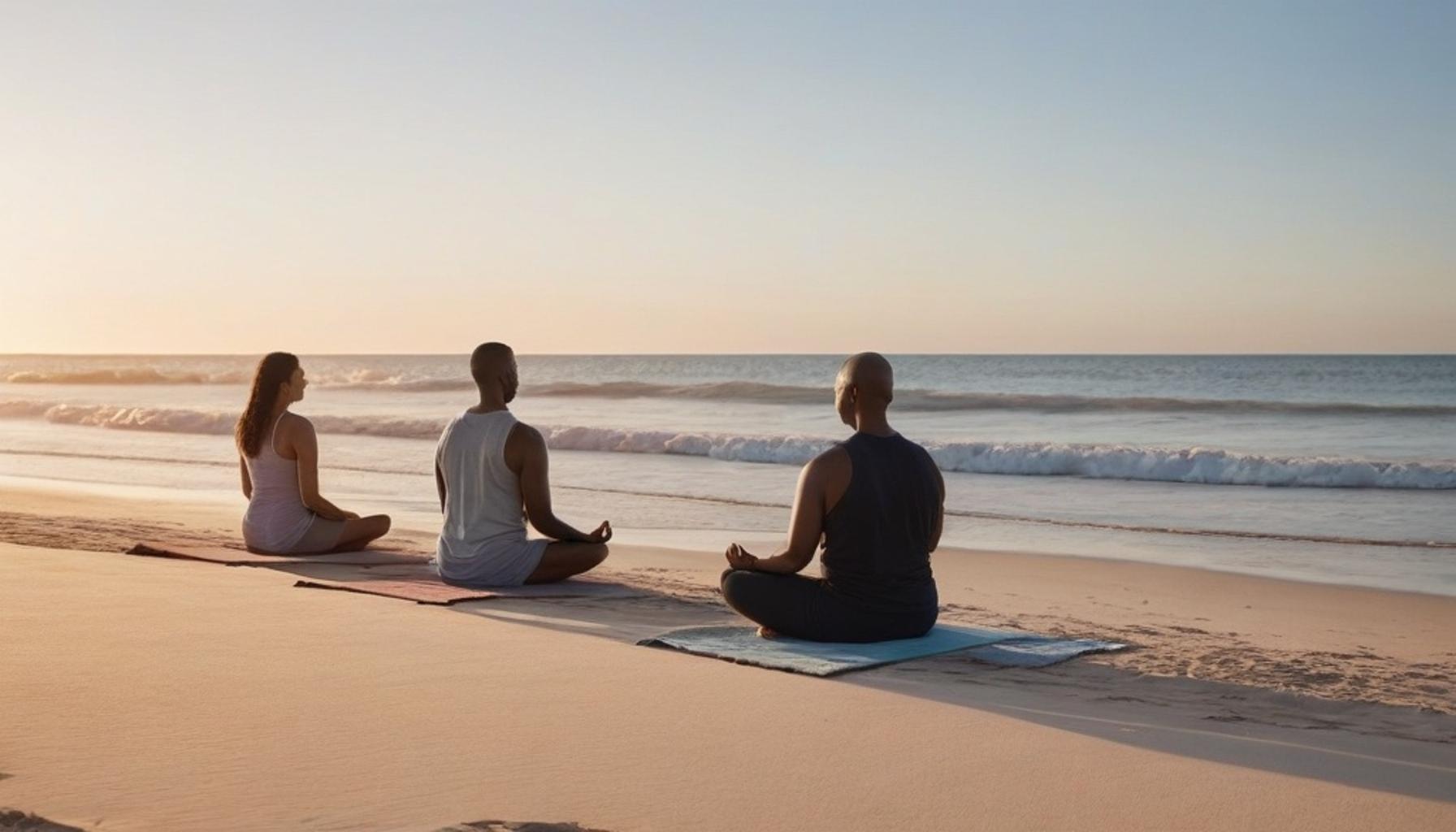
The importance of meditation in managing daily stress
Why Millions of Americans Are Turning to Meditation for Managing Stress
The average American juggles work deadlines, family responsibilities, and a smartphone that never stops buzzing. According to the American Institute of Stress, 77% of people regularly experience physical symptoms caused by stress. This constant pressure has pushed many toward a surprisingly simple solution: meditation.
A Modern Response to an Ancient Problem
Stress itself isn’t new, but today’s nonstop digital lifestyle has amplified it. Meditation for managing stress has emerged as one of the most accessible, science-backed tools available. No equipment, no gym membership, no prescription required.
Understanding how meditation reduces daily stress starts with the body’s nervous system. When practiced consistently, it lowers cortisol levels and activates the parasympathetic response, essentially teaching the body to switch off “fight or flight” mode on command.
What makes this trend particularly interesting is where it’s happening. Cities like Austin, Denver, and Portland have seen meditation studios pop up on nearly every corner, right alongside coffee shops and gyms. Meanwhile, rural communities across the Midwest and South are embracing free meditation apps and community classes at local libraries and churches. This isn’t a coastal fad anymore, it’s a nationwide shift in how Americans cope with pressure.
Corporate America has taken notice too. Companies like Google, Apple, and Aetna now offer in-house mindfulness programs for employees, citing reduced sick days and improved focus as measurable outcomes. Aetna reported that employees who participated in its mindfulness program saved the company an estimated $2,000 per employee annually in healthcare costs and lost productivity.
What This Article Covers
This guide breaks down the real benefits of meditation for stress relief backed by research and practical experience. Readers will discover:
- How mindfulness meditation for stress physically changes brain activity
- Simple meditation techniques for anxiety that fit into a busy schedule
- Step-by-step daily meditation practices for stress management anyone can start today
- Common mistakes that prevent beginners from feeling results
From Wall Street executives to stay-at-home parents in the Midwest, people from every walk of life are proving that a few quiet minutes a day can reshape how the mind handles pressure. The question isn’t whether meditation works, it’s how to make it work for you.
The Science Behind the Calm
Neuroscientists at Harvard have used MRI scans to show that consistent meditation practice can actually shrink the amygdala, the brain’s alarm system responsible for triggering anxiety and fear responses. At the same time, the prefrontal cortex, which governs decision-making and emotional regulation, shows increased activity and even physical thickening over time.
This isn’t a placebo effect or wishful thinking. It’s measurable, repeatable, and increasingly difficult for skeptics to dismiss. Universities, hospitals, and even the U.S. military have incorporated mindfulness-based stress reduction programs into their training and treatment protocols, further validating what practitioners have claimed for centuries.
Why Now Feels Different
Meditation apps like Calm and Headspace have collectively been downloaded hundreds of millions of times, turning what once felt like a niche spiritual practice into something as mainstream as morning coffee. This surge suggests something deeper than a passing wellness trend, it points to a genuine cultural recognition that stress management deserves the same attention as diet or exercise.
As more Americans search for sustainable ways to navigate modern chaos, meditation continues gaining credibility, one quiet breath at a time.
SEE ALSO: The role of sleep in stress management and the promotion of well-being
How Stress Quietly Takes Over the American Body
Before diving into solutions, it’s worth understanding what’s actually happening inside the body during chronic stress. Cortisol, often called the “stress hormone,” floods the bloodstream every time a deadline looms or traffic backs up on the highway. In small doses, this is helpful. In constant doses, it’s destructive.
The Centers for Disease Control and Prevention estimates that stress-related illnesses cost the U.S. healthcare system over $190 billion annually. Heart disease, insomnia, digestive issues, and weakened immune function all trace back, at least partially, to unmanaged stress. This is where meditation for managing stress starts to look less like a wellness trend and more like preventative medicine.
Beyond the financial toll, there’s a human one that numbers rarely capture. Missed workdays, strained relationships, and a general sense of being perpetually “on edge” have become so normalized in American culture that many people no longer recognize chronic stress as a problem. It simply feels like life. That normalization is part of what makes the condition so dangerous, it hides in plain sight, disguised as ambition or busyness.
The Body’s Alarm System Never Learned to Rest
Humans evolved to handle short bursts of danger, a predator in the grass, a sudden threat. Today, that same alarm system reacts to emails, bills, and social media notifications. The problem is duration. Modern stress doesn’t switch off after the danger passes because, technologically speaking, the danger never really does.
This is precisely why understanding how meditation reduces daily stress matters so much right now. Regular practice interrupts that alarm loop. Studies published in the journal Psychiatry Research found that participants who completed an eight-week mindfulness program showed measurable decreases in gray matter density in the amygdala, the brain region tied to stress and anxiety responses.
That’s not a minor detail. It suggests the brain physically reorganizes itself around calm instead of chaos. Researchers involved in similar studies at Harvard Medical School have noted that these structural changes often appear alongside increased activity in the prefrontal cortex, the area responsible for decision-making and emotional regulation. In practical terms, this means meditation doesn’t just make people feel calmer in the moment, it may actually improve their ability to handle future stress with a clearer head.
Real People, Real Results
Take Sarah Whitfield, a nurse from Columbus, Ohio, who started meditating during the pandemic after months of twelve-hour hospital shifts. She didn’t join a retreat or buy expensive equipment. She used a free app during her lunch break.
“Ten minutes felt impossible at first,” she said in a 2023 interview with a regional wellness publication. “Now I can’t function without it.”
Her experience mirrors a broader shift happening across American workplaces, from hospitals to tech offices to school districts, where wellness programs increasingly include guided meditation sessions. Some companies, including several Fortune 500 firms, have begun offering meditation stipends or on-site mindfulness rooms, citing reduced absenteeism and higher reported job satisfaction among employees who participate regularly.
Stories like hers aren’t isolated. Research from Johns Hopkins University reviewed nearly 47 clinical trials and concluded that mindfulness meditation produced moderate evidence of reduced anxiety, depression, and pain, results comparable to those seen with antidepressants, but without the side effects.
Several factors explain why these benefits of meditation for stress relief are gaining traction among everyday Americans:
- It requires no financial investment beyond a few free minutes a day
- It can be practiced anywhere, from a cubicle to a car during a lunch break
- It produces effects that compound over time rather than fading immediately
- It complements other stress-reduction methods like exercise and therapy
Interestingly, the accessibility factor may be the strongest driver of adoption. Unlike gym memberships or specialized therapy sessions, meditation asks for almost nothing in return except consistency. That low barrier to entry has helped it spread across demographics that once viewed it as unconventional, including veterans dealing with post-traumatic stress, teenagers navigating academic pressure, and retirees managing chronic pain.
The evidence keeps mounting, and so does public curiosity. But knowing meditation works is only half the equation. The next question most people ask is simpler and more practical: how exactly do you start?
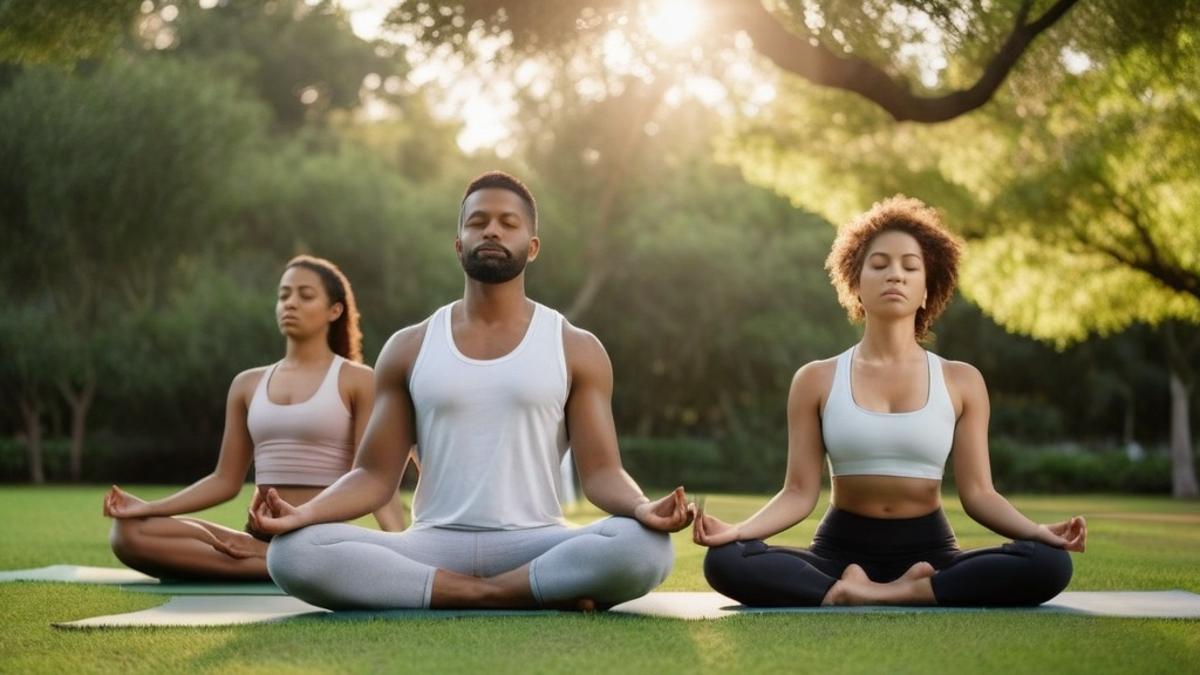
Key Aspects of Meditation for Managing Stress
Understanding meditation for managing stress becomes easier when you break down its core components. The table below highlights essential elements that explain how meditation reduces daily stress and why it remains one of the most researched relaxation techniques worldwide.
| Category | Key Insight |
|---|---|
| Mindfulness Meditation | Reduces cortisol levels by up to 20%, improving focus and emotional balance. |
| Breathing Techniques | Activates the parasympathetic nervous system, easing anxiety within minutes. |
| Daily Practice | Just 10 minutes daily can significantly lower long-term stress markers. |
| Body Scan Method | Enhances awareness of tension, promoting physical and mental relaxation. |
Why These Techniques Matter
Each of these meditation techniques for anxiety offers a unique pathway toward calmness. Combining them into daily meditation practices for stress management creates a compounding effect, strengthening resilience against everyday pressures over time.
CHECK OUT: The importance of conscious breathing in reducing daily stress
Simple Meditation Techniques for Anxiety That Actually Fit Into Real Life
Most people picture meditation as sitting cross-legged for an hour, incense burning, mind perfectly blank. That image stops more Americans from trying it than almost anything else. The truth is far less dramatic, and far more doable.
Effective meditation techniques for anxiety don’t require special clothing, a quiet retreat, or years of practice. They require attention and repetition, nothing more. A commuter sitting in Atlanta traffic can practice breath-focused meditation at a red light. A parent in Phoenix can use a five-minute body scan while dinner simmers on the stove. Even a college student cramming for finals in a crowded library in Boston can slip in sixty seconds of focused breathing between chapters without anyone noticing.
The barrier to entry has never really been the practice itself, it has been the misconception surrounding it. Once that myth falls away, meditation starts looking less like a lifestyle overhaul and more like a tool people can reach for the same way they’d reach for a glass of water when thirsty.
Breathing as a Built-In Reset Button
One of the most researched approaches is box breathing, a technique used by Navy SEALs to stay calm under extreme pressure. It involves inhaling for four counts, holding for four, exhaling for four, and holding again for four. Simple, repeatable, and backed by physiological evidence showing it slows heart rate and activates the parasympathetic nervous system.
Another widely used method, progressive muscle relaxation, pairs meditation with physical tension release. Practitioners systematically tense and release muscle groups while focusing attention inward. Clinics across the country, including several affiliated with the Mayo Clinic, have incorporated this technique into anxiety treatment plans with measurable success.
What makes these methods appealing to skeptics is that they don’t ask for blind faith. They ask for four minutes and a willingness to notice what the body is already doing. Firefighters in Chicago, emergency room nurses in Houston, and even air traffic controllers have quietly adopted these breathing drills, not because a wellness influencer told them to, but because the physiological payoff shows up almost immediately.
Daily Meditation Practices for Stress Management That Stick
Consistency matters more than duration. A 2022 study published in JAMA Internal Medicine found that participants practicing just ten minutes daily for eight weeks reported significant reductions in perceived stress, comparable to those practicing thirty minutes several times weekly.
That finding matters because it removes the biggest excuse people give for skipping meditation altogether: lack of time.
Some practical entry points that have worked for beginners across different lifestyles include:
- Guided meditation apps like Calm or Insight Timer, often used during morning coffee
- Walking meditation practiced during a lunch break instead of scrolling a phone
- Body scans done lying in bed before sleep to quiet racing thoughts
- Short breathing exercises before high-pressure meetings or exams
Workplaces have taken notice. A logistics company based in Memphis reported a 23 percent drop in reported employee stress levels after introducing mandatory five-minute mindfulness breaks between shifts, according to internal data shared with a regional business journal. Similar experiments are quietly spreading through hospitals, school districts, and even a handful of state government offices, suggesting the appeal isn’t limited to wellness-obsessed startups in Silicon Valley.
Why Mindfulness Meditation for Stress Works Differently Than Distraction
Scrolling social media or binge-watching a show might feel relaxing, but it’s distraction, not resolution. Mindfulness meditation for stress works differently because it doesn’t avoid discomfort, it teaches the brain to sit with it without spiraling.
Neuroscientists at the University of Wisconsin-Madison have shown that this nonjudgmental awareness reduces rumination, the repetitive negative thinking pattern strongly linked to anxiety and depression. Unlike temporary distractions, the effects appear to build over weeks and months rather than disappearing the moment the phone screen goes dark.
Researchers point out that meditation seems to physically reshape how the brain responds to stress triggers, rather than simply masking the sensation temporarily. Brain imaging studies have detected changes in the amygdala, the region responsible for the fight-or-flight response, after consistent practice. For a nation that often reaches first for caffeine, medication, or endless scrolling to manage stress, that kind of durable, low-cost alternative deserves a second look.
LEARN MORE: The relationship between physical activity and stress reduction: habits that transform
Meditation for Managing Stress: What the Evidence Really Suggests
Strip away the incense and the stereotypes, and what remains is a practice with measurable, repeatable results. The research keeps pointing in the same direction: meditation for managing stress isn’t a wellness trend, it’s a trainable skill with a growing body of clinical support behind it.
The benefits of meditation for stress relief aren’t confined to how someone feels in the moment. They show up in slower heart rates, in brain scans revealing a calmer amygdala, and in workplace data like the 23 percent stress reduction reported by that Memphis logistics company. These aren’t anecdotes from a retreat brochure, they’re findings from hospitals, universities, and businesses that had no reason to exaggerate.
Understanding how meditation reduces daily stress also reframes the conversation around mental health tools in America. It’s not about replacing therapy or medication. It’s about adding a low-cost, accessible practice that works alongside whatever else a person already relies on, whether that’s a therapist in Seattle or a support group in rural Ohio.
What stands out most is accessibility. No special equipment, no membership fee, no waiting room. Just a few intentional minutes, whether during a school pickup line in Denver or a break room in Pittsburgh.
The bigger question moving forward isn’t whether meditation works, the data increasingly says it does. The real question is why more workplaces, schools, and healthcare systems haven’t already built it into daily routines the way they’ve built in coffee breaks or fire drills.
As stress-related health costs continue climbing nationwide, this quiet, evidence-backed practice might be one of the simplest interventions still being overlooked. Sometimes the most effective tools aren’t the newest ones, just the most consistently used.
Frequently Asked Questions
How does meditation for managing stress actually work in the body?
Meditation activates the parasympathetic nervous system, lowering cortisol and heart rate while calming the amygdala’s stress response. Over time, this shifts your brain from reactive fight-or-flight patterns to a more balanced, relaxed state. Regular practice also strengthens the prefrontal cortex, improving your ability to respond calmly to daily pressures.
How many minutes a day should I meditate to see stress relief results?
Most research shows benefits starting with just 10 to 15 minutes of daily meditation, especially when practiced consistently. Beginners can start with 5 minutes and gradually increase as focus improves. Consistency matters more than duration, so a short daily habit beats occasional long sessions.
What type of meditation is best for managing work-related stress?
Mindfulness meditation and body scan techniques are particularly effective for work stress because they help you notice tension before it builds up. Breath-focused meditation is also useful for quick resets between meetings or tasks. Trying a few styles helps you find what fits your schedule and stress triggers best.
Can meditation replace therapy or medication for chronic stress and anxiety?
Meditation is a powerful complementary tool but is not a substitute for professional treatment when dealing with clinical anxiety or chronic stress disorders. It works best alongside therapy, medication if prescribed, or lifestyle changes rather than as a standalone cure. Always consult a healthcare provider for persistent or severe symptoms.
Why do I feel more anxious when I first start meditating?
Sitting quietly can initially bring suppressed thoughts and emotions to the surface, which may feel uncomfortable at first. This is a normal part of the process as your mind adjusts to slowing down and observing rather than reacting. Starting with guided sessions or shorter practice times can ease this transition.
What is the best time of day to meditate for reducing daily stress?
Morning meditation helps set a calm tone before the day’s stressors begin, while evening sessions can help release accumulated tension before sleep. Some people benefit from a quick midday session to reset during high-stress moments. The best time ultimately depends on when you can consistently commit to the practice.

Linda Carter
Linda Carter is a writer specializing in healthy habits and balanced living. With extensive experience helping readers build sustainable routines, she shares practical guidance on nutrition, physical activity, quality sleep, stress management, and emotional well-being. Her goal is to offer simple, accessible strategies that inspire people to care for their health and enjoy a more balanced life.