Group exercises: social and motivational benefits of collective physical activity
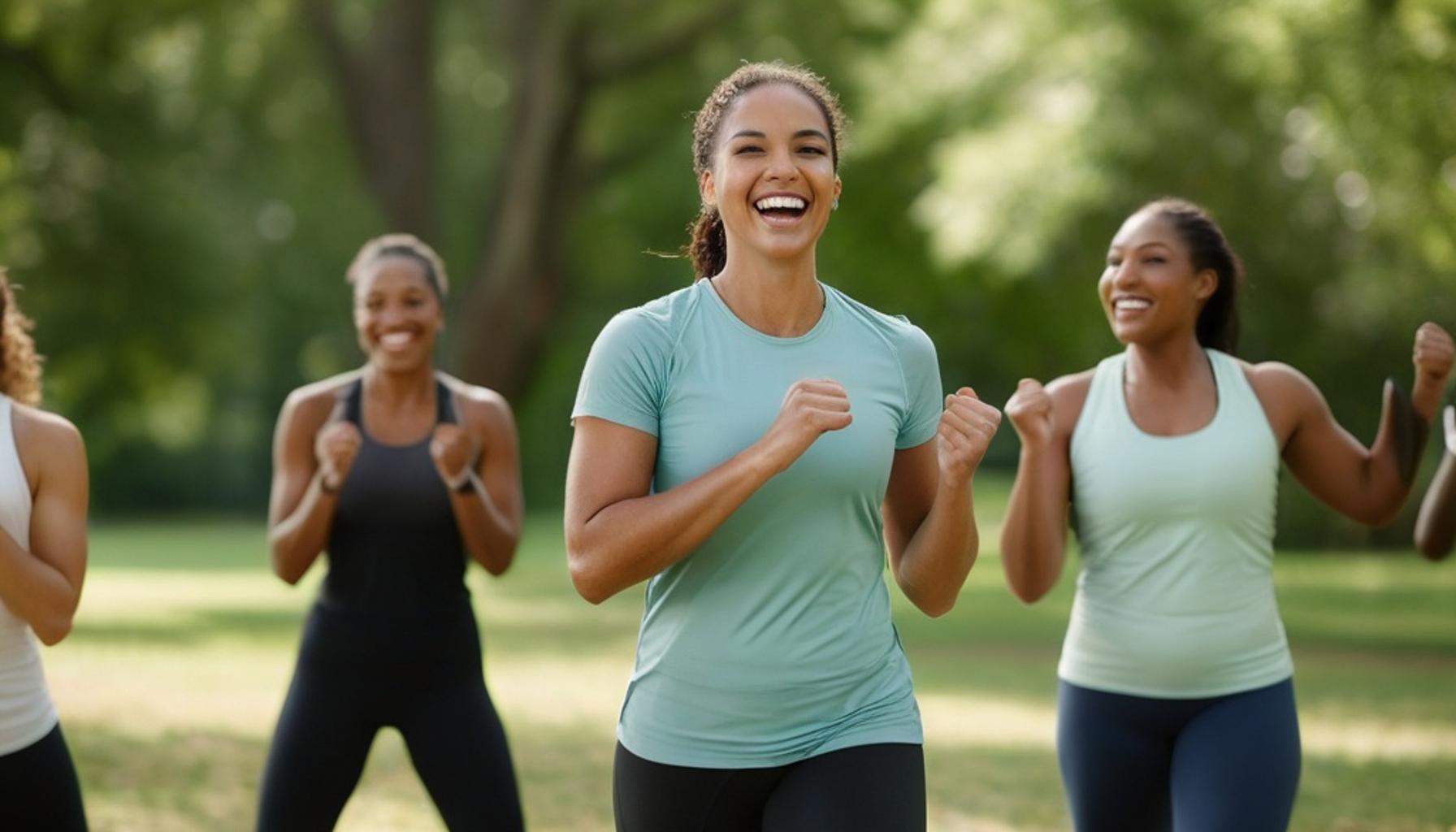
Why Sweating Together Beats Sweating Alone
Picture a crowded studio in Austin or a park meetup in Chicago, where dozens of people push through the same burpee at the same time. That shared struggle isn’t just trendy — it’s backed by science and reshaping how Americans approach fitness.
Group exercises benefits extend far beyond calorie burn. Research increasingly points to community, accountability, and motivation as the real game-changers behind consistent workout habits. Gyms from Los Angeles to New York have noticed the shift too, redesigning class schedules to meet a growing appetite for group-based training over solitary treadmill sessions.
The Numbers Behind the Trend
A study published in the Annals of Behavioral Medicine found that group exercise participants reported 26% greater stress reduction than solo exercisers. Quality of life scores also improved significantly across physical, mental, and emotional categories, suggesting that the benefits reach well beyond the gym floor.
- Higher workout adherence rates over 12 months
- Increased likelihood of hitting personal fitness goals
- Stronger emotional resilience during stressful periods
Fitness professionals across the country have echoed these findings. Trainers in cities like Denver and Miami report that clients who join group sessions tend to cancel fewer appointments and show up even on days when motivation is low, simply because someone is expecting them.
More Than Just a Workout
The social benefits of group workouts often outweigh the physical ones for many participants. Friendships formed in spin classes or CrossFit boxes frequently extend into daily life, creating support networks that outlast any single gym membership. Some participants even describe their fitness group as a second family, meeting for brunch after Saturday sessions or checking in during tough weeks.
This is where community in group exercises becomes powerful. Shared sweat, shared laughter, and shared struggle build bonds that solo treadmill sessions rarely replicate. Whether it’s a boot camp in a local park or a rowing team practicing at dawn, that sense of belonging often becomes the reason people keep coming back, long after the initial fitness goal has been reached.
What This Article Covers
This piece explores the motivational aspects of group fitness, the science behind group fitness mental health benefits, and practical ways to find your tribe. Expect real examples, data-driven insights, and actionable tips for joining or starting a fitness community that fits your lifestyle and schedule.
From boot camps to running clubs, the collective physical activity advantages are too significant to ignore. Let’s break down exactly why exercising together might be the missing piece in your fitness journey — and why your next workout partner could change more than just your physique.
LEARN MORE: The role of physical activity in the prevention of chronic diseases and promotion of longevity
# The Psychology of Showing Up: Why Groups Keep Us Committed
Anyone who’s ever skipped leg day when working out alone knows the drill. There’s no one to notice, no one to ask why you didn’t show up. That’s precisely the gap group fitness fills, and it’s rooted in something psychologists call the Köhler Effect.
The Köhler Effect: Science of Not Wanting to Let People Down
Named after German researcher Otto Köhler, this phenomenon shows that people perform better in groups than they do alone, especially when they perceive themselves as the weakest link. Nobody wants to be the person holding back the group, and that discomfort turns out to be a surprisingly powerful motivator.
Studies replicating this effect in fitness settings have found participants exercise up to 200% longer when working out alongside others who are slightly more capable than they are. That’s not a typo. Double, sometimes triple the endurance, purely from social pressure and a desire to keep pace. Researchers believe this happens because the brain reframes fatigue as a social signal rather than a purely physical limit, pushing people past thresholds they’d normally respect when alone.
This explains why a runner who struggles to finish two miles solo might suddenly find the stamina for five when surrounded by a pack in a Saturday morning running club in Portland or Nashville. The same principle shows up in CrossFit boxes across the country, where the phrase “don’t be the last one to finish” is rarely spoken aloud but universally understood.
Accountability Without the Guilt Trip
The motivational aspects of group fitness aren’t about drill-sergeant intimidation. They’re subtler than that. When someone knows a friend is waiting at the 6 a.m. bootcamp, skipping feels like breaking a promise, not just missing a workout. That emotional weight is entirely different from the guilt of ignoring a solo gym membership nobody else is tracking.
Fitness apps have caught onto this too, building entire features around group accountability:
- Shared streaks and challenges among friend groups
- Leaderboards that spark friendly competition
- Check-in notifications when a workout buddy misses a session
- Group chats dedicated to progress photos and small wins
Peloton’s community features, for instance, became one of its biggest selling points during the pandemic, proving that even virtual togetherness can replicate some of these motivational effects. Instructors calling out usernames mid-class, riders forming informal tags like “#TeamNoQuit,” and leaderboard rivalries between strangers thousands of miles apart all mimic the same social accountability once reserved for in-person gyms.
Group Fitness Mental Health Benefits Go Beyond Endorphins
Exercise alone releases feel-good chemicals like endorphins and dopamine. But group fitness mental health benefits tap into something additional: oxytocin, often dubbed the “bonding hormone,” released during synchronized physical activity.
Research from Oxford University found that rowers who trained in teams reported significantly higher pain tolerance and better mood scores than those who trained solo, even after identical physical exertion. The synchronized movement itself, not just the workout, appeared to trigger this bonding response, suggesting that shared rhythm matters almost as much as shared sweat.
This might explain why dance classes, drumline-style workouts, and synchronized swimming groups often report unusually high member retention rates compared to individual training programs. Instructors across the United States, from boutique studios in Austin to community centers in Cleveland, have noticed the same pattern: when people move together, they tend to stick around longer, laugh more, and return even after a rough week.
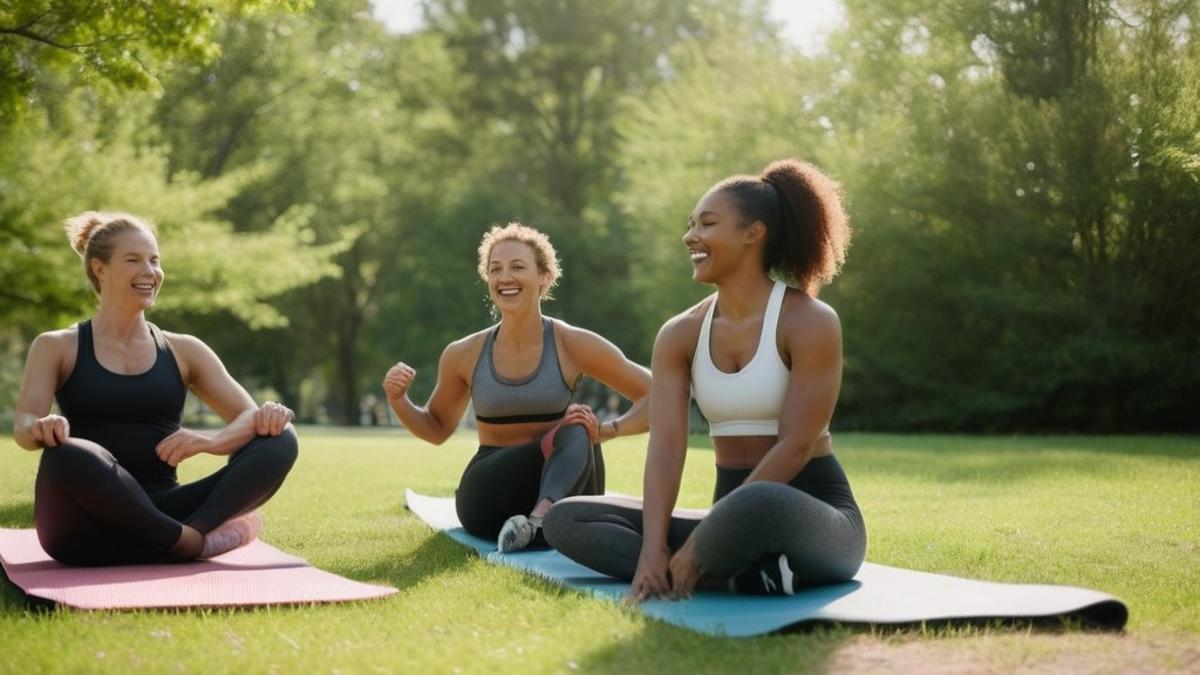
Group Exercises Benefits: A Snapshot of Social and Motivational Power
Before diving deeper into how collective physical activity advantages shape long-term fitness success, here is a quick overview of the core elements driving group exercises benefits. This table highlights the connection between social bonds, motivation, and measurable results seen in structured group settings.
| Category | Key Impact |
|---|---|
| Social Connection | Community in group exercises reduces isolation and builds accountability among participants. |
| Motivation Boost | Motivational aspects of group fitness include friendly competition and shared goal-setting. |
| Mental Wellness | Group fitness mental health benefits involve lower stress levels and improved mood regulation. |
| Consistency | Scheduled sessions increase adherence, supporting the social benefits of group workouts over time. |
Each of these categories reflects data-backed patterns observed in fitness studios, running clubs, and community sports leagues worldwide, setting the stage for a closer look at why these dynamics matter.
SEE ALSO: The Impact of Regular Physical Activity on Mental Health and Emotional Well-Being
# The Ripple Effect: How Community Turns Sweat Into Social Capital
Walk into any CrossFit box, spin studio, or park district boot camp, and you’ll notice something beyond the workout itself: people know each other’s names. They ask about a bad knee, a job interview, a kid’s soccer game. This is where group exercises benefits extend past the physical, quietly rewiring how people experience community in an era when loneliness has become a public health concern.
The Loneliness Epidemic Meets the Squat Rack
In 2023, the U.S. Surgeon General issued an advisory declaring loneliness a national epidemic, comparing its health risks to smoking fifteen cigarettes a day. Against that backdrop, the social benefits of group workouts start looking less like a fitness perk and more like a public health tool.
A 2022 study published in the Journal of Clinical Psychology found that adults who exercised in group settings reported 26% lower stress levels than solo exercisers, even when workout intensity and duration were identical. Researchers pointed to a simple explanation: shared struggle builds connection faster than shared space alone.
This is visible in cities from Denver to Charlotte, where run clubs like the November Project have built entire followings around free, no-excuses group workouts. Members show up at 6 a.m. in freezing parking garages, not because the exercise is glamorous, but because the tribe expects them.
Beyond the anecdotal evidence, researchers have started measuring the biological markers of this phenomenon. Cortisol levels, the hormone tied directly to stress response, drop more significantly in group settings than during isolated exercise sessions, according to follow-up research from the same study. This suggests the body itself recognizes and responds to the presence of a supportive group, releasing tension that solitary exercise simply cannot replicate.
Community in Group Exercises: A Built-In Support System
Unlike a solitary treadmill session, community in group exercises creates informal support networks that often extend beyond the gym floor. People carpool to class. They celebrate birthdays with burpee challenges. They text each other after missing a session, not out of obligation, but genuine concern.
Some tangible ways this plays out include:
- Members organizing meal-prep swaps within workout groups
- Group chats that evolve into friendship circles outside fitness
- Charity 5Ks organized entirely by gym communities
- Mentorship pairings between newer and veteran class members
Orangetheory Fitness, with locations across nearly every U.S. state, has built its entire retention strategy around this idea, encouraging coaches to learn names and personal milestones rather than treating classes as anonymous calorie-burning sessions.
Smaller, independently owned studios have taken this concept even further. In cities like Austin and Portland, boutique fitness owners report that member-led initiatives, such as potlucks after Saturday classes or informal book clubs that sprang from post-workout conversations, have become just as central to their business model as the workouts themselves. These studios aren’t just selling fitness; they’re selling belonging.
Collective Physical Activity Advantages for Long-Term Adherence
Perhaps the most compelling data point: a University of New England study tracking exercisers over eight months found that those in group programs had an adherence rate of 95%, compared to just 25% among solo exercisers.
That gap illustrates one of the clearest collective physical activity advantages researchers have documented. It isn’t willpower keeping people consistent. It’s the quiet expectation of a familiar face, a saved spot, a group that notices when someone’s missing.
Employers have started taking notice too. Corporate wellness programs across the country increasingly favor group fitness challenges over individual gym stipends, citing higher participation rates and stronger reported morale among employees who train together rather than separately.
For anyone who has abandoned a New Year’s resolution by February, that statistic alone might be reason enough to trade the solo gym membership for a class roster.
DISCOVER MORE: Click here to learn about the importance of sleep hygiene
The Bottom Line: Why Sweating Together Still Matters
The numbers tell a story that gyms and researchers alike are still unpacking. From a 95% adherence rate among group exercisers to measurable drops in cortisol, the case for group exercises benefits extends well beyond burned calories. What’s emerging is a picture of fitness as a social infrastructure, one that quietly combats isolation while building habits that actually stick.
The motivational aspects of group fitness deserve particular attention here. It’s not just about having a workout buddy for accountability. It’s about tapping into something more primal: humans are wired to push harder, show up more consistently, and recover more effectively when they’re not doing it alone. That instinct, backed now by cortisol studies and adherence data, explains why solo New Year’s resolutions fade by February while group fitness communities keep growing.
The group fitness mental health benefits documented across these studies suggest something worth investigating further: could structured group movement become a prescribed tool for anxiety and loneliness, not just a nice-to-have at the local Y?
Some questions worth considering moving forward include:
- How might healthcare providers formally integrate group exercise into mental health treatment plans
- Whether virtual group fitness classes can replicate the same cortisol-lowering effects seen in person
- What role employers should play in subsidizing group-based wellness over individual gym memberships
What started as a fitness trend increasingly looks like a public health strategy hiding in plain sight. Whether it’s a 6 a.m. run club in a Denver parking garage or a boutique studio’s Saturday potluck in Austin, the pattern holds: people who move together tend to stay together, and stay healthier because of it.
Frequently Asked Questions
What are the main social and motivational benefits of group exercises compared to working out alone?
Group exercises benefits include built-in accountability, since showing up for a scheduled class or team keeps you committed even on low-motivation days. They also offer social connection and encouragement from peers, which research links to better mood and lower stress. Many people also push harder physically when exercising alongside others, thanks to friendly competition and shared energy.
Can group workouts help with long-term exercise consistency compared to solo routines?
Yes, studies show people who exercise in groups tend to attend more sessions over time because the social commitment creates a sense of obligation to the group. Having a set class time and familiar faces reduces the temptation to skip workouts. This consistency is one of the most practical group exercises benefits for building a lasting habit.
Are group fitness classes better for mental health than exercising individually?
Group fitness classes can boost mental health more than solo workouts because they combine physical activity with meaningful social interaction, which helps reduce feelings of loneliness and anxiety. The shared experience of overcoming a tough workout together also builds a sense of belonging and achievement. This makes group exercises benefits especially valuable for people dealing with stress or isolation.
What types of group exercises offer the strongest community and motivation benefits?
Activities like team sports, running clubs, boot camps, and studio classes such as spin or dance tend to offer the strongest community and motivation benefits because they involve regular interaction with the same group of people. These formats naturally encourage encouragement, friendly accountability, and shared goals. Choosing a format with a consistent group and instructor maximizes the social and motivational group exercises benefits.

Linda Carter
Linda Carter is a writer specializing in healthy habits and balanced living. With extensive experience helping readers build sustainable routines, she shares practical guidance on nutrition, physical activity, quality sleep, stress management, and emotional well-being. Her goal is to offer simple, accessible strategies that inspire people to care for their health and enjoy a more balanced life.