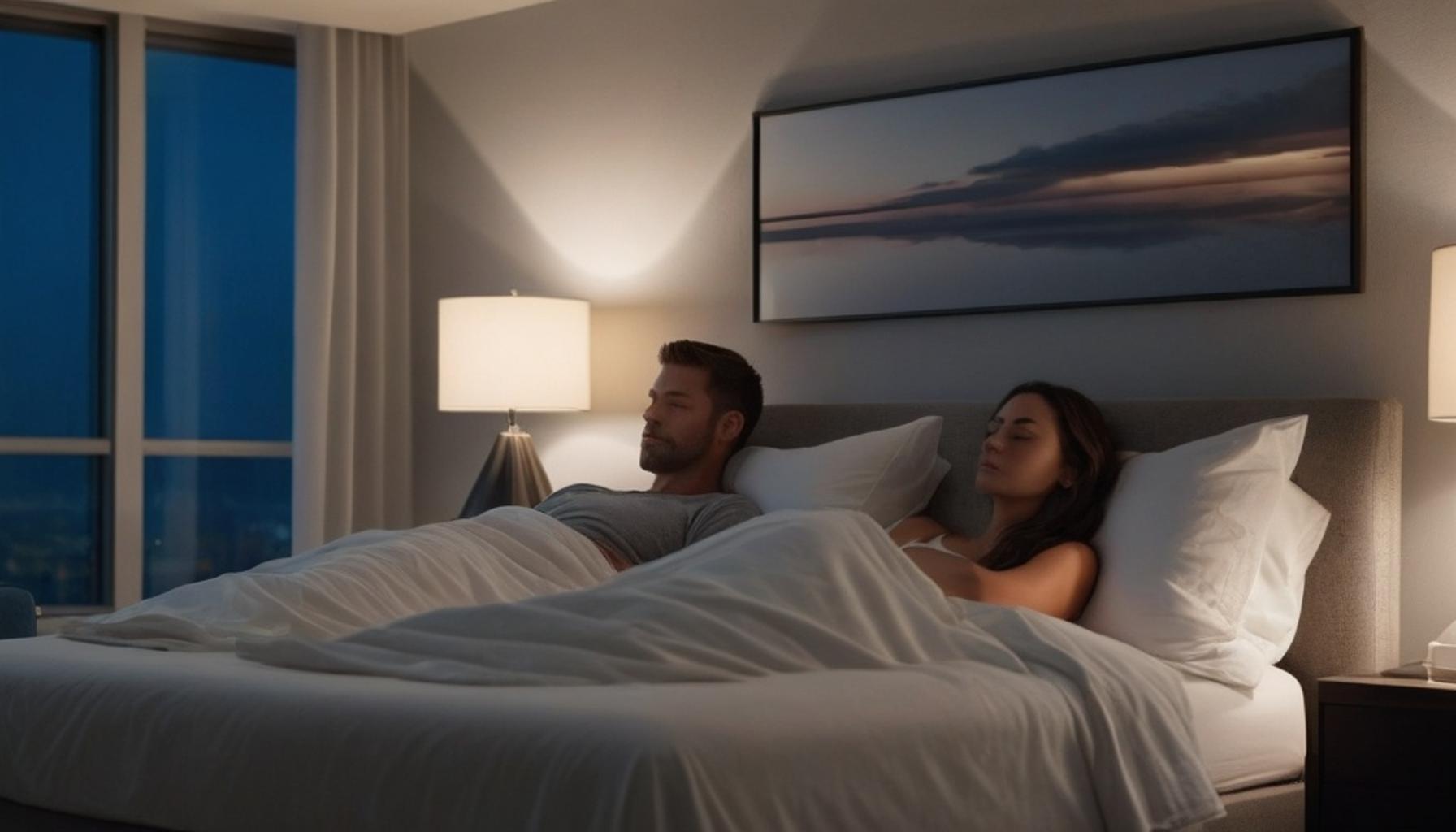
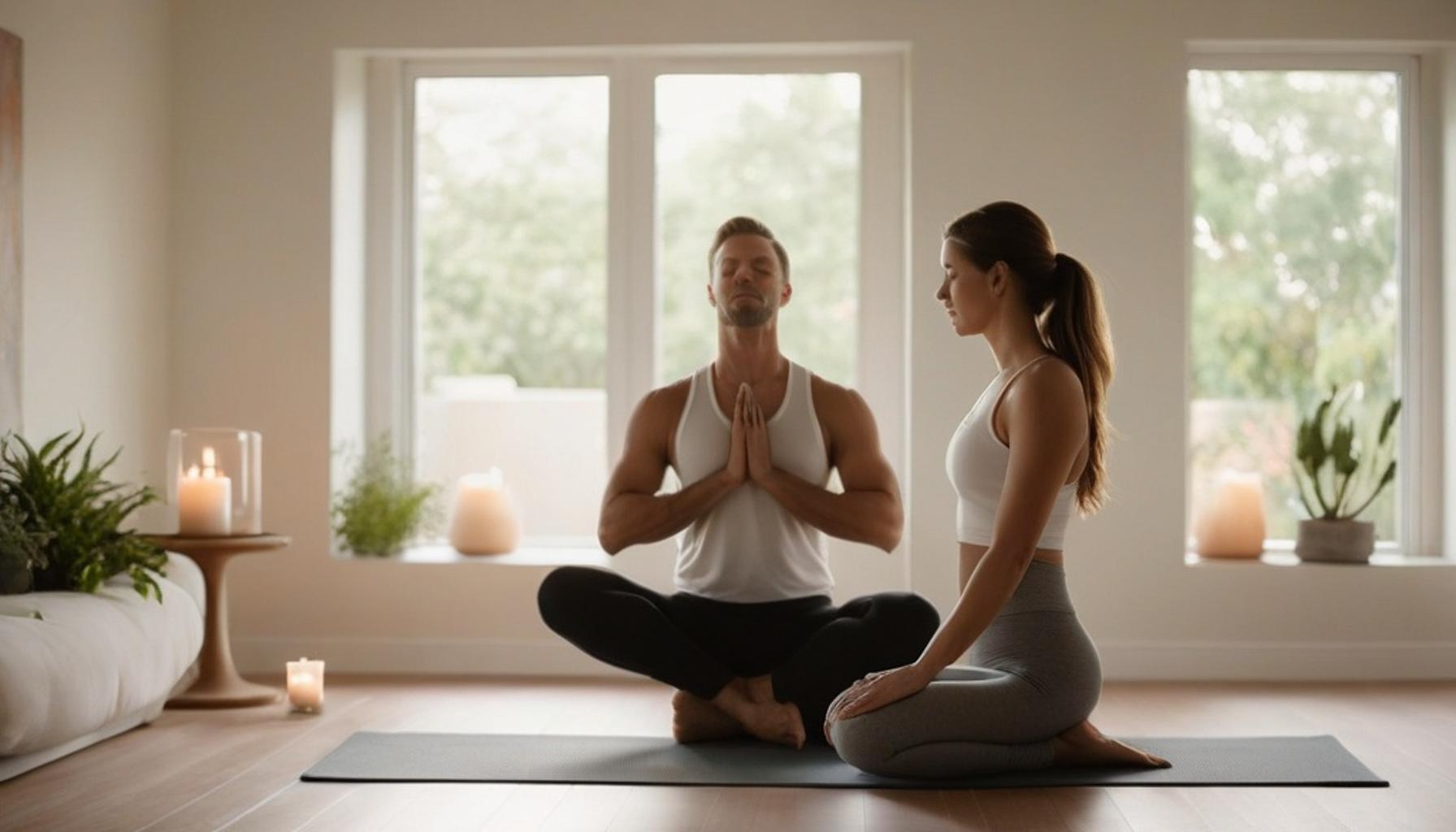
The Relationship between Physical Exercise and Restorative Sleep

Why Your Workout Routine Might Be the Missing Piece to Better Sleep
Millions of Americans toss and turn each night, scrolling through sleep apps and trying every trick in the book. Yet one of the most powerful tools for restorative sleep might already be part of their daily routine: physical activity.
Research increasingly confirms a strong relationship between workout and sleep quality. But how exactly does moving your body translate into deeper, more restful nights? The answer lies in a fascinating mix of biology, timing, and consistency that most people never stop to consider.
The Science Behind the Connection
Studies from the National Sleep Foundation reveal that people who exercise regularly report significantly better sleep than sedentary individuals. In fact, some surveys show that active adults are up to 65 percent more likely to say they get a good night’s rest compared to those who rarely move. The benefits of exercise on sleep go beyond simple tiredness—they involve complex hormonal and physiological changes that scientists are only beginning to fully map out.
- Reduced cortisol levels, easing stress-related insomnia
- Increased slow-wave sleep, the most restorative sleep stage
- Better regulation of circadian rhythms
- Lower risk of sleep disorders like sleep apnea
This growing body of exercise and sleep science suggests that timing, intensity, and type of activity all play a role. A brisk walk around the neighborhood after dinner might have a completely different effect on your nervous system than an intense CrossFit session at 9 p.m. Understanding these nuances can make the difference between waking up refreshed or lying awake counting sheep.
What This Article Will Explore
Understanding how exercise improves sleep quality requires looking beyond generic advice like “just work out more.” This article breaks down the practical strategies that actually work, backed by data and real-world application, so you can stop guessing and start sleeping.
- The best times of day to exercise for optimal sleep
- Which workout types promote the deepest rest
- How to sleep better with physical activity without overtraining
- Common mistakes that sabotage sleep gains from exercise
From marathon runners in Chicago to yoga enthusiasts in California, people across the country are discovering that their fitness habits directly shape how well they recover at night. Whether you’re a weekend warrior hitting the trails on Saturday mornings or a daily gym-goer clocking in before sunrise, the answers ahead could transform your nights—and your days. Keep reading to uncover the details that could finally put an end to those restless, frustrating nights for good.
LEARN MORE: Relaxation Techniques to Improve Sleep Quality
How Slow-Wave Sleep and Exercise Intensity Are Linked
To truly understand physical exercise and restorative sleep, it helps to look inside the body’s internal clock. Every night, the brain cycles through several sleep stages, but one in particular—slow-wave sleep—acts as the deep-tissue repair phase for muscles, memory, and immune function. This stage typically occurs during the first half of the night, and it’s when the body releases growth hormone, repairs damaged tissue, and consolidates the day’s memories into long-term storage.
Researchers at institutions like Northwestern University and the Sleep Research Society have found that individuals who engage in moderate aerobic activity, such as jogging or cycling, spend more time in this restorative stage compared to those who remain inactive. This is one of the clearest examples of how exercise improves sleep quality at a measurable, physiological level. Some sleep labs using polysomnography, the gold-standard test for tracking brain waves overnight, have recorded increases of up to 20 percent in slow-wave duration among people who maintain a regular cardio routine.
The Role of Body Temperature and Melatonin
Exercise raises core body temperature, and the subsequent cooling process after a workout signals the brain that it’s time to wind down. This temperature drop mimics the natural dip that occurs before sleep onset, essentially giving the body a head start toward drowsiness. Interestingly, this is why many sleep specialists recommend finishing intense workouts at least two to three hours before bedtime, allowing enough time for that cooling effect to take hold naturally.
Additionally, physical activity influences melatonin production, the hormone responsible for regulating sleep-wake cycles. Athletes and fitness enthusiasts who train consistently often report falling asleep faster, a detail confirmed by multiple studies published in the Journal of Clinical Sleep Medicine. Some researchers suspect that outdoor exercise adds another layer of benefit, since natural sunlight exposure during a morning run or an afternoon bike ride helps recalibrate the circadian rhythm even further.
What the Data Reveals
A 2021 analysis involving more than 2,500 adults across the United States found some striking patterns in the relationship between workout and sleep habits nationwide:
- Participants who exercised at least 150 minutes per week fell asleep 15 minutes faster on average
- Moderate-intensity exercisers experienced 25 percent fewer nighttime awakenings
- High-intensity interval training (HIIT) showed mixed results depending on the time of day performed
- Yoga and stretching-based routines improved sleep onset for people with anxiety-related insomnia
These findings highlight a crucial point within exercise and sleep science: not all workouts produce identical results. Context matters just as much as commitment. A late-night HIIT session, for instance, can sometimes leave the nervous system too activated to relax quickly, while the same workout performed earlier in the day tends to support smoother sleep transitions later on.
For someone in Denver training for a half marathon or a retiree in Florida taking daily pool aerobics classes, the mechanisms at play remain the same, even if the intensity differs. The body responds to consistent movement by optimizing its internal repair systems, proving that the path to sleep better with physical activity isn’t about extreme effort—it’s about smart, sustained habits that align with individual lifestyles and goals. Even city dwellers squeezing in a brisk 20-minute walk during a lunch break in downtown Chicago may be tapping into these same biological advantages.
As more Americans track their sleep through wearable devices and smartphone apps, the conversation around exercise timing, intensity, and recovery continues to expand. What remains clear is that movement, in almost any form, sends a powerful signal to the brain that rest is not just deserved, but biologically earned.
Cortisol, Anxiety, and the Hidden Chemistry of Nighttime Recovery
Beyond temperature and melatonin, there’s another biological actor shaping the relationship between workout and sleep: cortisol. Often labeled the “stress hormone,” cortisol follows its own daily rhythm, peaking in the morning and gradually declining by evening. Regular physical activity helps regulate this curve, preventing the chronic elevation that keeps millions of Americans staring at the ceiling at 2 a.m.
A study published by the American Psychological Association found that adults who exercised three to five times weekly showed significantly lower evening cortisol levels compared to sedentary counterparts. Lower nighttime cortisol translates directly into an easier transition into deep sleep stages, reinforcing why the benefits of exercise on sleep extend far beyond simple physical fatigue.
Anxiety and cortisol are deeply intertwined, and this connection matters more than most people realize. Chronic stress keeps the amygdala on high alert, which in turn signals the adrenal glands to keep pumping cortisol long after the workday ends. For someone in a high-pressure job in Chicago or New York, this can mean lying awake with a racing mind despite feeling physically exhausted. Exercise interrupts this cycle by giving the nervous system a controlled outlet for stress hormones, essentially teaching the body how to downshift more efficiently once the sun goes down.
Strength Training’s Underrated Contribution
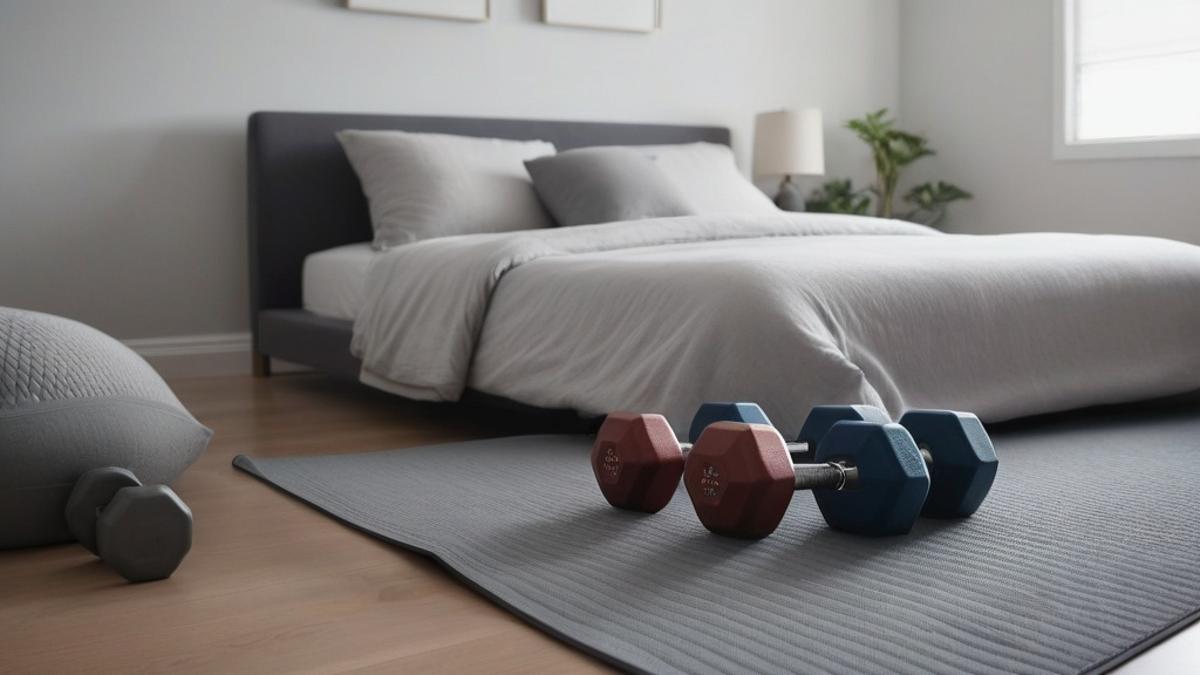
While cardio often dominates the conversation, resistance training deserves its own spotlight. Weightlifting and bodyweight exercises trigger muscle microtears that require repair during deep sleep, essentially creating a biological incentive for the body to prioritize restorative rest.
A gym-goer in Austin lifting weights three times a week, for example, may notice longer stretches of uninterrupted sleep compared to periods of inactivity. Data from the National Strength and Conditioning Association supports this pattern, showing that strength training participants reported:
- Fewer instances of waking up feeling unrested
- Improved perceived sleep quality within four weeks of consistent training
- Reduced symptoms of restless leg syndrome in some middle-aged participants
This reinforces a core principle within exercise and sleep science: variety in movement style may offer complementary, rather than redundant, benefits for nighttime recovery. Combining resistance work with moderate cardio, such as brisk walking or cycling, appears to produce more consistent results than relying on a single type of exercise alone.
The Overtraining Paradox
Not every workout produces positive results, however. Athletes who push into overtraining territory sometimes experience the opposite effect, with elevated stress hormones disrupting sleep architecture rather than enhancing it. Marathon runners in intense training blocks, for instance, have reported fragmented sleep and difficulty reaching deep stages during peak mileage weeks.
This paradox highlights an important nuance often missing from mainstream fitness advice. The goal isn’t maximum exertion but rather a sustainable rhythm that allows the nervous system to recover alongside the muscles. Sports medicine experts frequently point to this balance when explaining why some competitive athletes rely on rest days as strategically as they rely on training days. Some coaches even track heart rate variability each morning to determine whether an athlete’s body is signaling readiness or requesting a lighter session.
Practical Signals Worth Tracking
For everyday people wondering how to sleep better with physical activity, a few observable signals can offer useful feedback:
- Waking up without an alarm at a consistent time often indicates improved circadian alignment
- Reduced reliance on caffeine by midday can suggest deeper overnight recovery
- Fewer instances of tossing and turning may reflect lower nighttime cortisol
These small, measurable changes often appear weeks before people notice dramatic shifts in energy or mood, making them valuable early indicators of progress within the broader physical exercise and restorative sleep connection. Tracking these subtle patterns, rather than waiting for dramatic transformations, may be the most practical way for anyone to understand how their own body responds to movement, stress, and rest over time.
Putting the Science Into Practice
The evidence assembled throughout this discussion points to a clear conclusion: physical exercise and restorative sleep operate as two halves of the same biological system, not as separate wellness categories. From cortisol regulation to muscle repair during deep sleep stages, the body treats movement and rest as interdependent processes rather than isolated habits.
What makes this relationship particularly compelling is its accessibility. Unlike expensive supplements or complicated sleep gadgets, the tools discussed here, consistent strength training, moderate cardio, and mindful attention to training intensity, are available to nearly anyone, whether they’re training in a Denver gym or jogging through a park in Miami.
Understanding how exercise improves sleep quality also means accepting that more isn’t always better. The overtraining paradox serves as a useful reminder that the nervous system needs recovery time just as much as muscles do. Athletes and casual gym-goers alike benefit from viewing rest days as productive rather than wasted.
For those still asking how to sleep better with physical activity, the answer lies less in perfection and more in pattern recognition. Tracking small signals, morning alertness, reduced caffeine cravings, fewer restless nights, offers a practical roadmap toward long-term improvement.
Ultimately, the relationship between workout and sleep reflects something deeper about human biology: the body is constantly seeking balance. Movement during the day sets the stage for recovery at night, and recovery at night fuels the energy needed for tomorrow’s activity.
As exercise and sleep science continues to evolve, one thing remains consistent across studies and personal experience alike. Small, sustainable changes in physical activity often produce outsized benefits for nighttime recovery, making this connection one of the most practical, evidence-backed strategies available for improving overall health and daily performance.
Frequently Asked Questions
How does physical exercise improve restorative sleep quality?
Physical exercise raises your core body temperature and later triggers a cooling drop that signals your brain it’s time to sleep. It also increases the production of adenosine, a compound that builds sleep pressure throughout the day, and reduces stress hormones like cortisol that can interfere with deep sleep stages.
What time of day is best to exercise for better sleep?
Morning or early afternoon workouts tend to support restorative sleep best because they align with your body’s natural cortisol rhythm and allow enough time for core temperature to normalize before bed. Evening exercise can still be beneficial for most people, but vigorous workouts within one to two hours of bedtime may delay sleep onset for some individuals.
Can exercising too close to bedtime disrupt sleep?
Yes, high-intensity exercise performed within 60 to 90 minutes of bedtime can raise adrenaline and body temperature, making it harder to fall asleep quickly. Lower-intensity activities like gentle yoga or stretching, however, are generally fine closer to bedtime and may even promote relaxation.
How much exercise is needed to see improvements in restorative sleep?
Research suggests that at least 150 minutes of moderate-intensity aerobic exercise per week, such as brisk walking or cycling, can meaningfully improve sleep quality and increase time spent in deep, restorative sleep stages. Consistency matters more than intensity, so regular movement most days of the week tends to produce the best results.
Does strength training affect restorative sleep differently than cardio?
Both strength training and cardiovascular exercise support restorative sleep, but they work through slightly different mechanisms. Cardio tends to have a more immediate effect on sleep onset and duration, while resistance training has been linked to improvements in sleep quality and reductions in nighttime awakenings over time.
Why do I sometimes sleep worse after an intense workout?
Overtraining or exercising at very high intensity without adequate recovery can elevate cortisol and adrenaline levels, which may temporarily disrupt sleep despite exercise’s usual benefits. This is more common with late-day intense sessions or insufficient hydration and nutrition, so balancing workout intensity with recovery time is key to maintaining restorative sleep.

Linda Carter
Linda Carter is a writer specializing in healthy habits and balanced living. With extensive experience helping readers build sustainable routines, she shares practical guidance on nutrition, physical activity, quality sleep, stress management, and emotional well-being. Her goal is to offer simple, accessible strategies that inspire people to care for their health and enjoy a more balanced life.