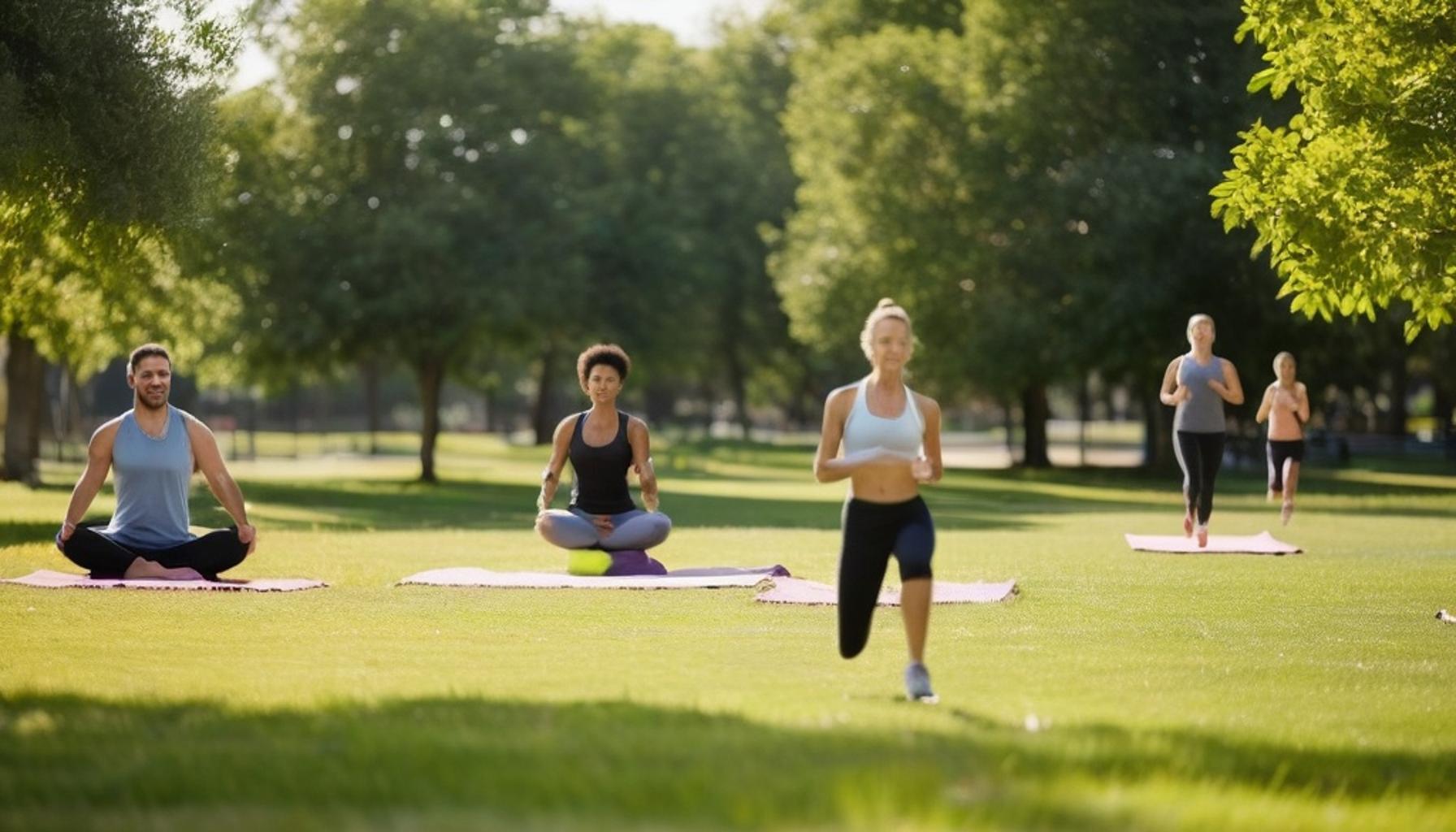
Creative Ways to Make Exercise Fun for Families and Kids

Turning Screen Time Into Active Playtime
American kids spend an average of 7 hours a day staring at screens, according to recent health surveys. Meanwhile, only 24% of children aged 6 to 17 meet the recommended 60 minutes of daily physical activity. The gap between digital habits and healthy movement has never been wider, and pediatricians across the country are sounding the alarm about what this means for long-term health outcomes.
Childhood obesity rates have tripled since the 1970s, and researchers point directly to sedentary screen habits as a major contributing factor. Yet simply banning devices rarely works—kids need a compelling alternative, not just a restriction. That’s where exercise fun for families becomes more than just a nice idea—it’s a necessity. Families across the country are discovering that fitness doesn’t have to feel like a chore when creativity enters the equation.
Why Traditional Workouts Fail Families
Standard gym routines rarely inspire kids to move. Structured exercise often feels repetitive, isolating, and disconnected from what children actually enjoy. Ask any ten-year-old to do jumping jacks for fifteen minutes, and watch how quickly enthusiasm fades. The problem isn’t laziness—it’s design. Traditional fitness models were built for adults chasing measurable results, not for kids who thrive on imagination and spontaneity.
Successful fun family workouts share common traits that make them stick:
- They incorporate play, storytelling, or friendly competition
- They require minimal equipment or cost
- They adapt to different age groups and fitness levels
- They happen outdoors or in unexpected spaces
Consider how a simple game of tag burns more calories per minute than a treadmill session for most kids, simply because the motivation is intrinsic rather than forced. Family fitness experts across the U.S. are increasingly recommending “movement disguised as fun” over rigid routines, citing higher adherence rates and better long-term habits.
What This Article Covers
This guide explores practical, tested strategies for weaving movement into everyday family life. Readers will discover kids exercise activities that feel like games rather than obligations, drawing on input from occupational therapists, youth coaches, and parents who’ve successfully swapped screen time for active time.
Expect ideas ranging from interactive fitness games for kids using household items like pillows, chalk, and jump ropes to active family outings that double as adventure and exercise—think local hiking trails, community bike paths, or scavenger hunts through downtown parks. Each suggestion focuses on real, actionable steps families can start using this week, without requiring expensive gear or gym memberships.
From backyard obstacle courses to dance-off challenges inspired by trending songs, these creative exercise ideas for families prove that staying active can be the highlight of the day—not a battle to avoid. The following sections break down specific games, challenges, and outdoor excursions that families nationwide are already using to reclaim movement from the grip of screens.
CHECK OUT: The Impact of Daily Walks on Mental Health and Well-Being
Every backyard holds hidden potential for movement, and families across suburban America are catching on. What used to be mundane tasks—raking leaves, watering plants, sweeping the porch—can transform into timed challenges that get hearts pumping without anyone realizing they’re exercising. The shift is subtle but powerful: instead of dreading a Saturday chore list, kids start asking when the next “mission” begins.
Consider the “leaf pile sprint”: kids race to fill a tarp with leaves before a three-minute timer buzzes, then belly-flop into their creation. It’s messy, loud, and burns roughly 150 calories in under ten minutes for an average eight-year-old. This is exercise fun for families at its simplest—no equipment required, just imagination and a little chaos. Parents in neighborhoods from Ohio to Oregon have started sharing their own variations online, swapping leaf piles for pinecone hunts or grass-clipping relays depending on the season and region.
Obstacle Courses Using Everyday Items
Professional trainers increasingly recommend DIY obstacle courses as one of the most effective kids exercise activities for burning energy while building coordination. Unlike structured sports drills, these courses invite creativity and can be rebuilt differently every week to keep interest levels high. The beauty lies in the unpredictability—no two courses ever look the same, which keeps young participants guessing and engaged rather than bored by repetition.
A basic backyard course might include:
- Hula hoops laid flat for hopscotch-style jumping
- A garden hose arranged in a zigzag for balance walking
- Cardboard boxes stacked as low hurdles
- Chalk-drawn “lava” zones kids must leap across
- A wheelbarrow-walk finish line, holding ankles while a sibling “walks” on hands
Occupational therapists note that these interactive fitness games for kids do more than build muscle—they improve spatial awareness, balance, and executive function skills that translate directly into classroom performance. A 2022 study published in the Journal of Pediatric Health found children who engaged in obstacle-style play three times weekly showed measurable improvements in attention span compared to peers with sedentary routines. Some school districts in Colorado and Minnesota have even begun incorporating similar obstacle setups into recess programming, citing improved focus during afternoon lessons.
Water Play With a Fitness Twist
Sprinkler season offers another goldmine for fun family workouts during warmer months. Water balloon relay races, sponge-toss target games, and “flood the driveway” squirt gun battles all disguise cardiovascular exercise as pure summer fun. What looks like harmless splashing actually engages large muscle groups, sharpens hand-eye coordination, and keeps heart rates elevated for extended stretches without anyone glancing at a stopwatch.
Families in states like Arizona and Texas, where outdoor heat limits midday activity, have adapted by scheduling these water-based challenges during early morning or evening hours—turning what could be a scorching obstacle into prime family bonding time. Some households have even started tracking these sessions with basic fitness trackers, discovering that a thirty-minute water relay can rival a moderate jog in terms of calories burned.
Building a Sustainable Habit
The common thread across all these creative exercise ideas for families? None require a gym membership, expensive gear, or professional coaching. They rely on materials already sitting in most garages, proving that movement doesn’t need a price tag to be effective or enjoyable. As more households search for screen-free alternatives, backyard ingenuity is proving that the simplest solutions are often hiding in plain sight—right outside the back door.
Turning Everyday Movement Into a Family Adventure
Making exercise fun for families doesn’t require expensive gym memberships or complicated equipment. Simple, creative activities can transform ordinary afternoons into memorable bonding experiences while building healthy habits that last a lifetime. Below is a quick breakdown of popular approaches families are using nationwide.
| Activity Category | Fun Factor & Key Benefits |
|---|---|
| Backyard Scavenger Hunts | Combines kids exercise activities with problem-solving, encouraging running, jumping, and teamwork. |
| Dance Party Sessions | One of the easiest fun family workouts, boosting cardio and coordination indoors. |
| DIY Obstacle Courses | Builds strength and balance through creative exercise ideas for families using household items. |
| Nature Hikes & Bike Rides | Classic active family outings that improve endurance and mental well-being. |
| App-Based Fitness Challenges | Interactive fitness games for kids that track progress and add friendly competition. |
LEARN MORE: The Impact of Regular Physical Activity on Mental Health and Emotional Well-Being
Turning Errands and Outings Into Movement Adventures
Beyond the backyard, entire neighborhoods and city blocks become playgrounds for families willing to look at routine errands differently. A trip to the grocery store or the local park can double as one of the most practical active family outings when parents build in small physical challenges along the way. What once felt like a chore—loading kids into the car for a supply run—can transform into an unexpected source of energy burn and family bonding.
Take the “parking lot countdown,” for example: park farther than usual and race siblings to the store entrance, or turn a walk to the mailbox into a game of giant steps versus tiptoe steps. These micro-adventures cost nothing yet consistently rack up extra steps that pedometer data shows can add 800 to 1,200 steps to a child’s daily count. Similar strategies apply to grocery aisles themselves—assigning kids the job of “runner” to fetch items from opposite ends of the store keeps young legs moving while parents check off their shopping list.
Even waiting rooms and bus stops offer opportunities. Families in cities like Denver and Austin have reported turning wait times into impromptu balance challenges, having kids stand on one foot or hop in place until the bus arrives. These tiny bursts of activity, spread throughout an ordinary day, add up in ways that formal exercise sessions sometimes miss simply because they blend so seamlessly into daily routines.
Scavenger Hunts That Double as Cardio Sessions
Scavenger hunts have quietly become one of the most versatile kids exercise activities available to families, largely because they scale so easily to any age group or location. A neighborhood hunt for specific mailbox colors, fire hydrants, or unusual license plates keeps kids scanning, walking, and occasionally sprinting toward their next discovery.
Urban families in cities like Chicago and Seattle have adapted this concept for apartment living, creating hunts within building hallways or nearby public parks. Rural families, meanwhile, often expand the radius to include barns, specific tree types, or wildlife sightings—proving the format flexes to fit almost any environment. Some families even design seasonal hunts, swapping out categories for pumpkins in October or holiday lights in December, keeping the activity fresh throughout the year.
Popular scavenger hunt variations include:
- Color-based hunts where kids photograph five red objects before time runs out
- Nature bingo cards requiring specific leaves, rocks, or insects
- Alphabet hunts spotting letters on signs, license plates, or storefronts
- Geocaching apps that guide families to hidden markers using GPS coordinates
Geocaching in particular has surged in popularity, with over three million active caches hidden worldwide according to Geocaching.com’s own published figures. Families who try it often report walking two to four miles without realizing the distance, since curiosity about the next hidden container keeps motivation high. Many participants describe the experience as feeling more like an adventure than exercise, which may explain why it appeals to children who typically resist structured workouts.
Dance Parties and Rhythm-Based Movement
Not every effective workout requires outdoor space. Living rooms across the country have become makeshift dance studios, offering some of the most accessible fun family workouts for rainy days or winter months when backyard options shrink.
A simple freeze-dance game—music plays, everyone dances, then freezes mid-move when it stops—builds agility while sneaking in laughter-inducing poses. Family dance-offs, where each member takes turns leading a sixty-second routine, have also gained traction as an interactive fitness games for kids option that requires zero equipment beyond a speaker.
Fitness instructors point out that dance-based movement engages cardiovascular systems similarly to brisk walking, with some upbeat routines pushing heart rates into moderate-intensity zones within just a few minutes. For families juggling busy schedules, a fifteen-minute living-room dance session before dinner has become a surprisingly reliable substitute for a full outdoor workout. Streaming platforms have noticed this trend too, with several fitness channels now offering short, kid-friendly dance routines specifically designed for family participation rather than solo adult workouts.
Making Movement a Family Habit, Not a Chore
From backyard obstacle courses to grocery store scavenger hunts, the evidence keeps pointing to the same conclusion: exercise fun for families doesn’t require expensive equipment, gym memberships, or rigid schedules. It requires imagination and a willingness to treat everyday moments as opportunities for movement.
The strategies outlined throughout this article—errand-based challenges, scavenger hunts, geocaching, and living-room dance parties—share a common thread. Each one disguises physical activity as play, which matters enormously for children whose attention spans and motivation don’t respond well to structured workouts. When a walk to the mailbox becomes a giant-step contest, or a bus stop wait turns into a balance challenge, kids stay engaged without ever registering that they’re “exercising.”
Parents searching for creative exercise ideas for families should remember that consistency often matters more than intensity. A fifteen-minute dance session or a ten-minute neighborhood hunt, repeated several times a week, can accumulate meaningful benefits over months and years. Pedometer data and geocaching statistics referenced earlier suggest that small, repeated bursts of movement add up faster than most families expect.
Looking ahead, families might consider rotating through several of these approaches rather than committing to just one. Variety keeps kids exercise activities feeling fresh, and it also exposes children to different types of movement—balance, cardio, agility—that structured sports sometimes overlook.
Ultimately, the goal isn’t perfection or daily marathons of activity. It’s building a household culture where movement feels like a natural extension of daily life rather than an obligation. Families willing to experiment with these interactive fitness games for kids and active family outings may find that the hardest part isn’t finding time to exercise—it’s figuring out which game to play first.
Frequently Asked Questions
What are some easy ways to make exercise fun for families with young kids?
Turn everyday activities into games, like scavenger hunts in the backyard or dance parties in the living room. Obstacle courses using pillows, chairs, and hula hoops also get young kids moving while feeling like play rather than a workout. The key is keeping sessions short, silly, and led by the kids’ imagination.
How much physical activity should a family aim for each week?
The CDC recommends that kids ages 6 to 17 get at least 60 minutes of moderate to vigorous activity daily, while adults should aim for 150 minutes of moderate exercise weekly. Families don’t need to hit these numbers in one session; splitting activity into 10-15 minute bursts throughout the day works just as well. The goal is consistency, not perfection.
What are good outdoor activities to make exercise fun for families on weekends?
Bike rides, nature hikes, and backyard sports like badminton or frisbee are great weekend options that combine fresh air with movement. Geocaching or setting up a family Olympics with relay races can add an extra layer of excitement. Rotating activities keeps everyone engaged and prevents the ‘same old exercise’ boredom.
How can I motivate a teenager who resists family exercise time?
Let teens have input on choosing activities, such as trying rock climbing, dance workouts, or a sport they’re curious about, since ownership increases buy-in. Pairing exercise with music, friends, or a fitness app that tracks progress can also make it feel less like a chore. Avoid framing it as mandatory exercise; instead, present it as quality family time with movement built in.
What indoor games can keep kids active on rainy days?
Freeze dance, indoor bowling with water bottles, and living-room yoga videos designed for kids are excellent rainy-day options. A simple game of ‘the floor is lava’ using cushions and furniture can turn a small space into an active adventure. These games require minimal equipment but still get hearts pumping.
Are there apps or tools that help make exercise fun for families and kids?
Yes, apps like GoNoodle, Zombies, Run!, and Fitbit Ace for kids gamify movement with challenges, rewards, and interactive stories. Many of these tools include family challenges or step-count competitions that add friendly rivalry to daily activity. Using a shared family fitness tracker can also help everyone celebrate milestones together.

Linda Carter
Linda Carter is a writer specializing in healthy habits and balanced living. With extensive experience helping readers build sustainable routines, she shares practical guidance on nutrition, physical activity, quality sleep, stress management, and emotional well-being. Her goal is to offer simple, accessible strategies that inspire people to care for their health and enjoy a more balanced life.