The Role of Technology in Sleep Quality: How Devices and Apps Can Help or Hinder
Why Your Smartphone Might Be the Last Thing You Should See at Night
Americans are more sleep-deprived than ever, with the CDC reporting that over one-third of U.S. adults fail to get the recommended seven hours of rest. Ironically, the same devices marketed to fix this problem may be part of what’s causing it.
This paradox lies at the heart of understanding technology in sleep quality today. Walk into any big-box retailer or scroll through Amazon, and you’ll find endless promises: smart pillows that track your snoring, apps that claim to “hack” your circadian rhythm, and wearables that turn your wrist into a sleep laboratory. Yet despite this technological arsenal, insomnia rates and sleep complaints continue climbing across the country.
A Double-Edged Digital Landscape
From smart mattresses to meditation apps, the sleep tech industry has exploded into a multi-billion-dollar market. Consumers now have unprecedented access to tools promising better rest, and companies from Silicon Valley startups to established mattress giants are racing to capture a share of this booming sector.
But how tech affects sleep isn’t always straightforward. Consider the mixed bag of influences at play:
- Blue light exposure from screens can suppress melatonin production, tricking your brain into thinking it’s still daytime
- Sleep tracking wearables offer data-driven insights into sleep cycles, heart rate variability, and movement patterns throughout the night
- White noise apps help mask disruptive urban sounds, particularly useful for city dwellers battling traffic noise or neighbors
- Social media scrolling before bed delays sleep onset significantly, sometimes by 30 minutes or more according to sleep researchers
Some Americans report obsessively checking their sleep scores each morning, developing what experts call “orthosomnia”—an unhealthy fixation on achieving perfect sleep metrics that ironically creates more anxiety and less actual rest.
Separating Hype from Genuine Help
Sleep apps effectiveness varies wildly, and not every glowing app-store review reflects real clinical results. Some tools genuinely improve rest, while others simply add another screen to stare at before bed, creating a cycle that undermines their very purpose.
Independent studies have found that certain cognitive behavioral therapy apps show measurable improvements in insomnia symptoms, while other popular tracking devices offer little more than expensive guesswork dressed up in sleek design.
This article examines the true impact of apps on sleep, highlighting which devices for better sleep actually deliver results. We’ll explore the science behind sleep quality and technology, helping you separate legitimate innovation from marketing noise, and ultimately empowering you to make smarter choices about what belongs in your nighttime routine.
SEE ALSO: Foods and Beverages that Impact Sleep Quality
# The Science Behind How Tech Affects Sleep
Understanding how tech affects sleep requires looking beyond marketing claims and into the biological mechanisms at work. Your circadian rhythm—the internal clock governing when you feel alert or drowsy—responds to light exposure in ways that predate smartphones by millennia, yet modern devices exploit and disrupt this ancient system daily.
Researchers at Harvard Medical School have documented that blue wavelength light, emitted heavily by phones, tablets, and laptops, suppresses melatonin roughly twice as long as other light types. A single hour of scrolling before bed can shift your natural sleep window by 90 minutes or more, according to sleep medicine studies published in recent years.
This delay matters more than most people realize. Melatonin doesn’t just help you fall asleep faster—it regulates the timing of your entire sleep cycle, including when you enter deep restorative stages. Push that release back by even an hour, and the ripple effects touch everything from morning grogginess to afternoon energy crashes that many Americans blame on stress or diet, when the real culprit might be sitting on their nightstand.
The Wearable Revolution: Data Without Direction
Devices for better sleep have flooded American households, with an estimated one in five U.S. adults now owning some form of sleep-tracking wearable. Fitness rings, smartwatches, and under-mattress sensors promise granular insights into sleep architecture that once required expensive clinical polysomnography.
These tools genuinely excel at certain tasks:
- Tracking consistency patterns over weeks or months, revealing trends invisible to casual self-observation
- Detecting irregular heart rate during sleep, sometimes flagging underlying health concerns worth discussing with a doctor
- Monitoring sleep duration against personal baselines, helping users identify lifestyle factors affecting rest
- Estimating sleep stages like REM and deep sleep, though accuracy varies significantly between brands
However, consumer-grade wearables still lag behind clinical-grade equipment in precision. A 2022 study comparing popular wearables to laboratory sleep testing found accuracy discrepancies of up to 30 minutes when estimating actual sleep versus wakefulness, particularly during lighter sleep stages.
Part of the problem lies in how these devices work. Most rely on movement sensors and heart rate variability to infer sleep stages, essentially guessing based on physiological proxies rather than measuring brain wave activity directly, the gold standard used in sleep labs. That gap explains why two different wearables worn on the same night can produce noticeably different sleep scores for the same person.
When Sleep Quality and Technology Collide
The relationship between sleep quality and technology becomes complicated when data obsession replaces genuine rest. Sleep specialists increasingly report patients arriving with printouts of their tracker statistics, more concerned with optimizing scores than addressing underlying sleep hygiene issues.
This phenomenon has earned its own informal nickname among clinicians: orthosomnia, a preoccupation with achieving perfect sleep metrics that ironically fuels anxiety and insomnia. Patients describe lying awake fretting over yesterday’s low score, creating a self-fulfilling cycle where the pursuit of better sleep actively undermines it.
This creates an ironic situation where the very tools meant to improve rest generate additional stress. Checking a smartphone screen to review last night’s “sleep score” reintroduces the exact blue light exposure that disrupted sleep in the first place, creating a frustrating loop many Americans don’t even recognize they’re stuck in.
Some sleep researchers now recommend a middle path: using wearables to spot broad patterns over time rather than obsessing over nightly fluctuations, then setting the device aside entirely once bedtime arrives. Whether Americans heed that advice, or keep reaching for their phones one more time before lights out, remains an open question worth watching closely.
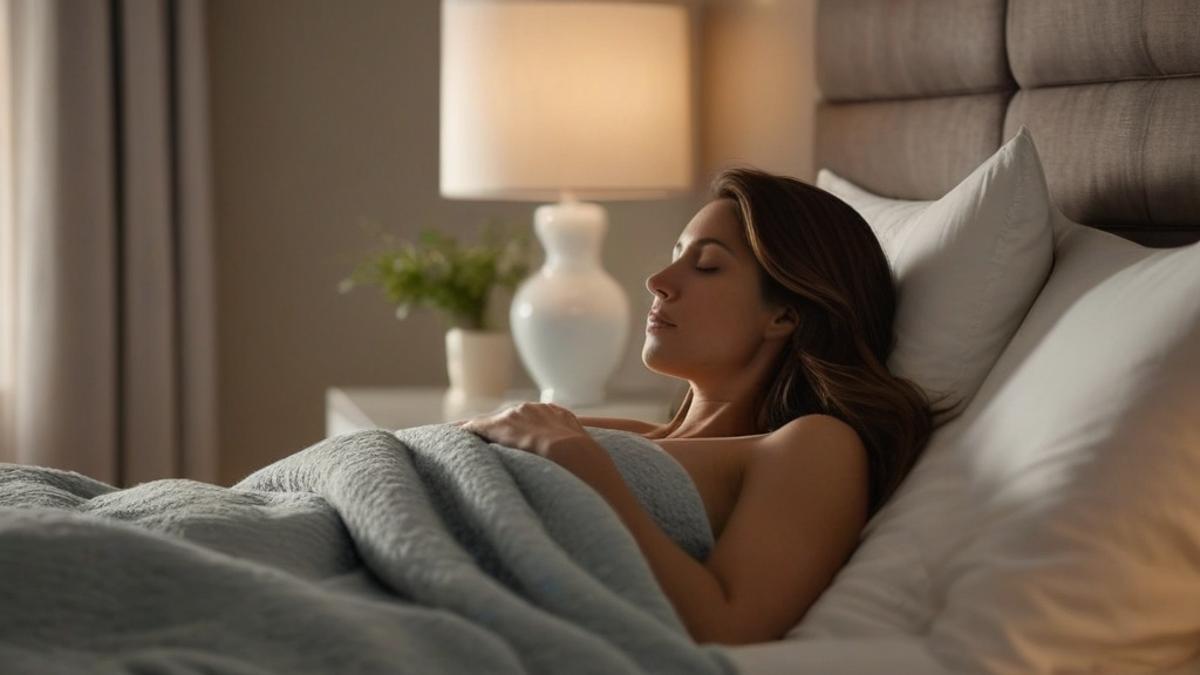
RECOMMENDED: How Technology Affects Our Sleep Quality
# Sleep Apps and the App Store Gold Rush
Walk through any app store today and you’ll find thousands of options promising to fix your sleep overnight. Assessing sleep apps effectiveness requires separating evidence-based tools from digital snake oil dressed up in soothing blue interfaces and ocean sounds. The sheer volume of choices, ranging from free downloads to premium subscriptions costing upwards of seventy dollars annually, creates a marketplace where marketing polish frequently outshines scientific rigor.
The category breaks down into several distinct approaches, each with varying levels of scientific backing:
- CBT-I based apps like CBT-i Coach, developed with Veterans Affairs input, apply cognitive behavioral therapy principles clinically proven to treat insomnia
- White noise and soundscape apps that mask disruptive environmental noise, particularly useful for city dwellers in places like New York or Chicago
- Guided meditation platforms such as Calm and Headspace, which report millions of downloads but limited independent verification of sleep-specific outcomes
- Smart alarm apps claiming to wake users during lighter sleep phases for less grogginess, though their accuracy depends on the same imperfect sensors found in wearables
A 2021 review published in npj Digital Medicine examined dozens of commercially available sleep apps and found that only a small fraction had been tested in peer-reviewed clinical trials. Most rely on user testimonials and app store ratings rather than rigorous research, meaning marketing language often outpaces actual evidence. Researchers pointed out that five-star reviews frequently reflect user satisfaction with the app’s interface or soothing content, not measurable improvements in actual sleep architecture recorded through polysomnography or validated sleep diaries.
The Real Impact of Apps on Sleep Behavior
The impact of apps on sleep extends beyond whether the technology works as advertised. It also depends heavily on how people use it, and that’s where things get complicated. Consider the average American consumer juggling work stress, family obligations, and a smartphone that never truly powers down; the appeal of a quick technological fix is understandable, even when the underlying science remains murky.
Behavioral researchers have noted an unusual pattern: people who download sleep apps often report short-term improvement regardless of which specific app they chose. This suggests a placebo-like effect tied to increased attention toward sleep habits generally, rather than proof that any particular algorithm or soundtrack deserves the credit. In other words, simply becoming more mindful of bedtime routines might matter more than the technology itself.
There’s also the matter of screen engagement itself. Opening an app, adjusting settings, and browsing options before bed requires exactly the kind of phone interaction sleep experts warn against. Some users spend more time customizing their sleep app than they save falling asleep faster, creating an ironic loop where the solution mimics the problem it claims to solve.
Practical Guidelines for Smarter Tech Use
American consumers navigating this crowded market can apply a few practical filters:
- Look for apps mentioning clinical studies or partnerships with sleep medicine institutions
- Favor apps with night mode or automatic dimming features that minimize light exposure during setup
- Avoid apps requiring constant notifications or check-ins, which fragment attention throughout the day
- Set devices to grayscale or activate built-in blue light filters after sunset, a free adjustment available on most smartphones
The National Sleep Foundation continues to emphasize that no app replaces fundamental sleep hygiene practices like consistent bedtimes and dark, cool bedrooms. Technology can support those habits, but it rarely substitutes for them entirely. For readers genuinely curious about which digital tools hold up under scrutiny, checking clinical trial registries or consulting a sleep specialist before committing to a subscription may prove far more valuable than trusting star ratings alone.
Final Thoughts: Striking the Right Balance
The relationship between technology in sleep quality is neither a simple success story nor a cautionary tale, it’s both, depending entirely on how these tools get used. Wearables can reveal patterns worth noticing, and apps can reinforce healthier bedtime routines, but neither replaces the basics that sleep scientists have championed for decades.
Understanding how tech affects sleep means recognizing a paradox: the same devices marketed as solutions often introduce the blue light, notifications, and mental stimulation that undermine rest in the first place. A smart mattress cover won’t compensate for scrolling Instagram until midnight, and a meditation app can’t override an inconsistent bedtime.
Consumers weighing devices for better sleep should approach purchases with healthy skepticism. Ask whether a product has been tested in clinical settings, not just praised in app store reviews. Consider whether a gadget adds genuine insight or simply adds another screen to check before lights out.
Ultimately, the conversation around sleep quality and technology should shift from “which app is best” to “how am I actually using this tool.” A sleep tracker paired with poor habits offers little value. The same device, combined with consistent routines and a dark, cool bedroom, becomes genuinely useful.
For American readers overwhelmed by marketing claims and five-star ratings, the smartest move may be starting small: pick one evidence-based tool, track results honestly for a few weeks, and consult a sleep specialist if problems persist. Technology can absolutely support better rest, but only when treated as one piece of a larger puzzle rather than a quick fix promising overnight transformation.
Frequently Asked Questions
Does blue light from phones and tablets actually disrupt sleep quality?
Yes, blue light exposure in the evening suppresses melatonin production, which delays your body’s natural sleep signal. Using devices within an hour of bedtime can make it harder to fall asleep and reduce overall sleep quality. Enabling night mode or blue light filters can lessen this effect, but reducing screen time before bed is more effective.
Are sleep tracking apps and wearables accurate enough to trust?
Most consumer sleep trackers estimate sleep stages using movement and heart rate data, so they’re reasonably good at detecting when you’re asleep versus awake but less precise about specific sleep stages like REM or deep sleep. They’re useful for spotting patterns over time, such as inconsistent bedtimes, rather than for exact clinical measurements. If you suspect a sleep disorder, a professional sleep study is still the gold standard.
Can white noise machines or sleep sound apps improve sleep quality?
White noise machines and apps can mask disruptive background sounds like traffic or a snoring partner, helping you stay asleep longer without waking up. They work particularly well for people in noisy environments, such as city apartments or shared living spaces. Choosing a consistent, low volume sound is key, since sudden changes in noise can actually cause awakenings.
What’s the best way to use technology to fix a disrupted sleep schedule?
Smart alarm clocks and light-based wake-up devices that simulate a sunrise can help reset your circadian rhythm by mimicking natural light cues your body relies on. Pairing this with a sleep app that reminds you to start a consistent wind-down routine each night reinforces better sleep timing. Avoid relying solely on technology, though, since consistent sleep and wake times remain the most powerful tool for fixing a disrupted schedule.

Linda Carter
Linda Carter is a writer specializing in healthy habits and balanced living. With extensive experience helping readers build sustainable routines, she shares practical guidance on nutrition, physical activity, quality sleep, stress management, and emotional well-being. Her goal is to offer simple, accessible strategies that inspire people to care for their health and enjoy a more balanced life.