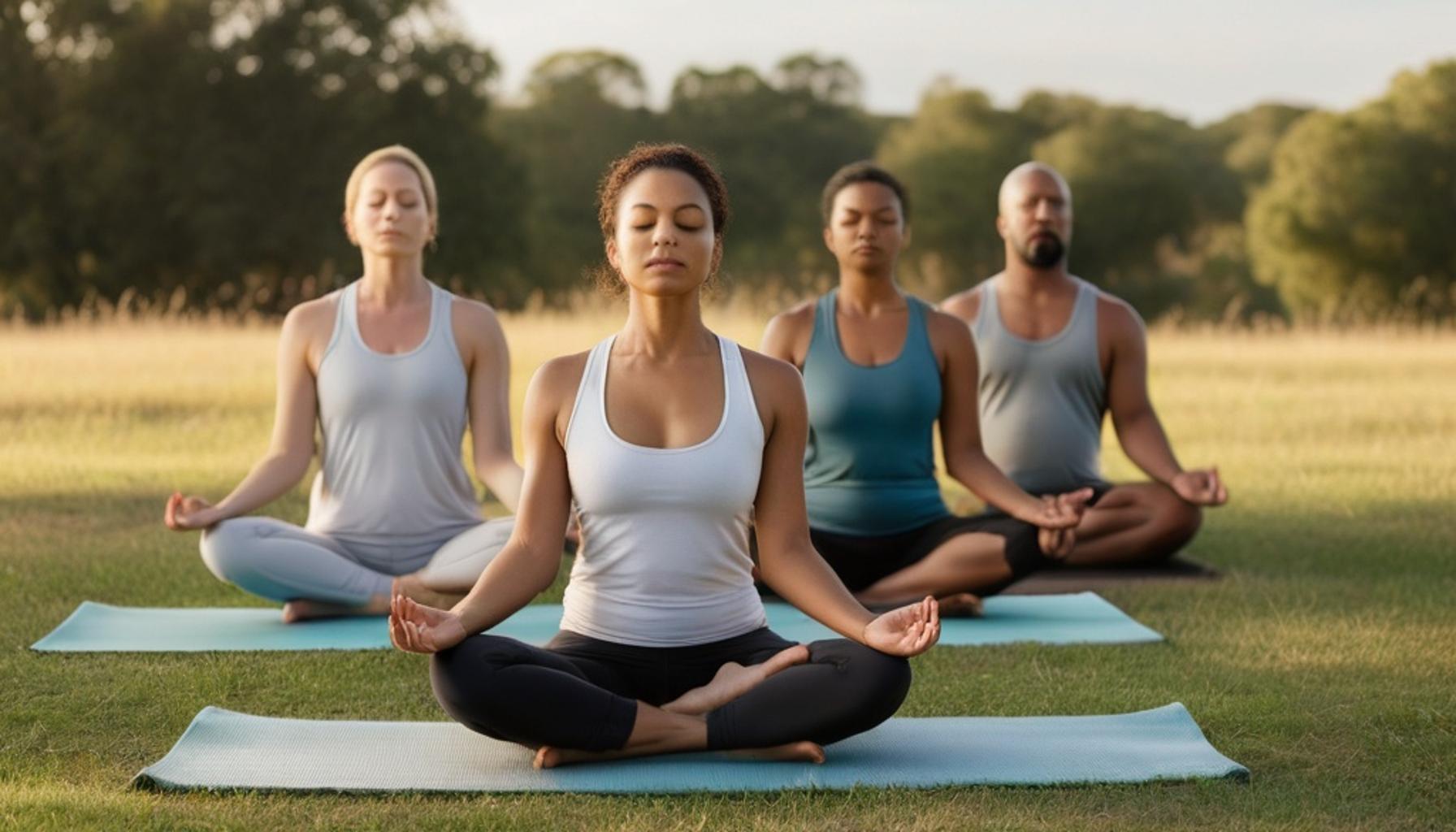
Breathing Techniques to Relieve Stress: How Simple Habits Can Transform Your Daily Life
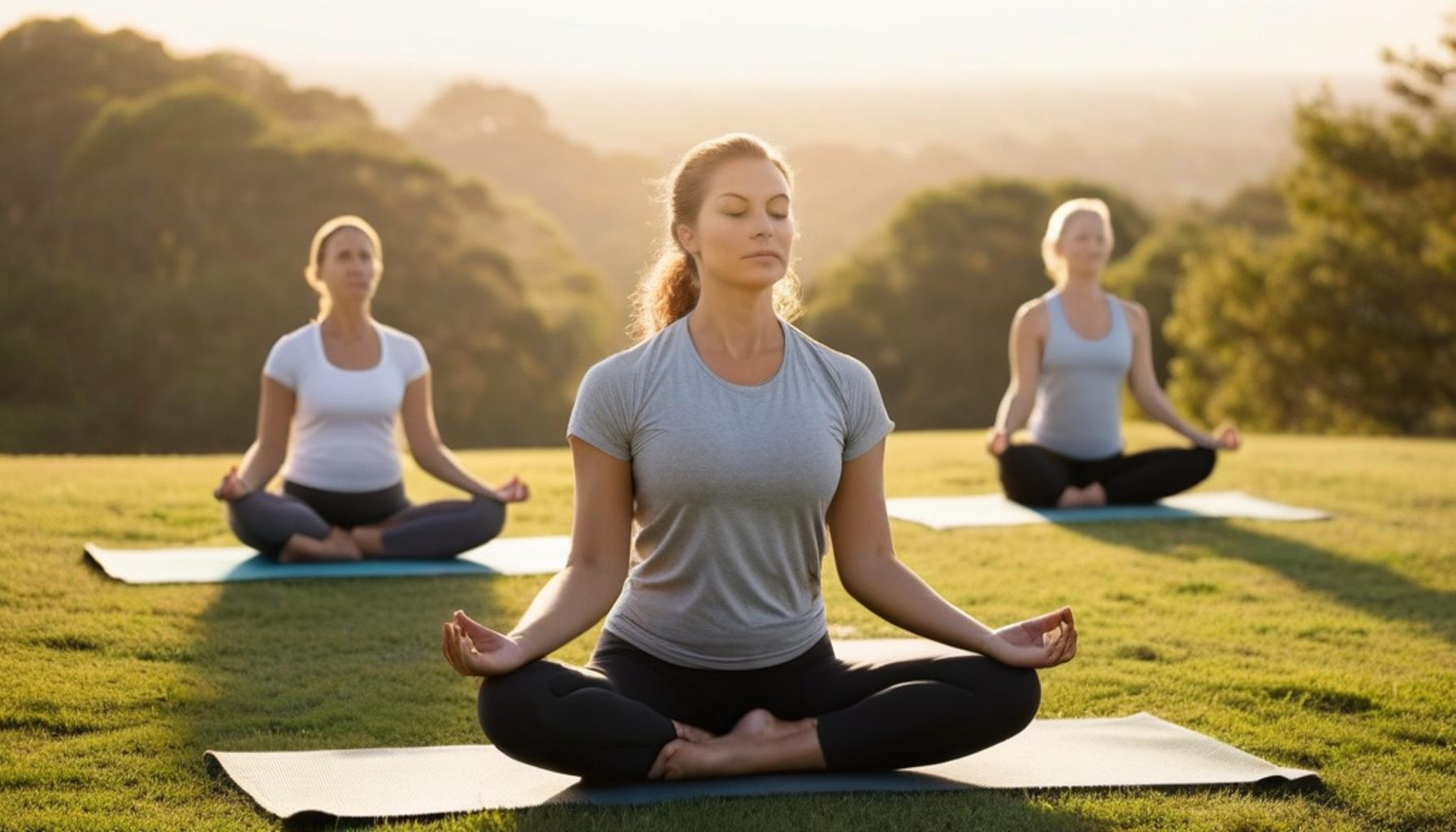
Why Your Breath Might Be the Most Underused Stress Tool You Own
Nearly 77% of Americans report regularly experiencing physical symptoms caused by stress, according to the American Psychological Association. Yet one of the most powerful remedies is something you already carry with you: your breath. Breathing Techniques to Relieve Stress have quietly become one of the most researched, accessible tools for calming the nervous system.
Think about the last time you felt your chest tighten before a big presentation, or your shoulders creep toward your ears while stuck in traffic on the way to work. That physical tension isn’t random. It’s your body’s ancient alarm system, and for many people living fast-paced American lifestyles, that alarm rarely gets the chance to fully switch off.
The Science Behind a Simple Exhale
Slow, controlled breathing activates the parasympathetic nervous system, signaling your body to shift out of fight-or-flight mode. This is the foundation behind most stress relief breathing exercises used in clinics, yoga studios, and even corporate wellness programs across the country. Major employers, from tech firms in Silicon Valley to hospitals in the Midwest, have started integrating short breathing sessions into daily schedules, recognizing that a calmer workforce tends to be a more productive one.
The benefits of deep breathing for stress go beyond a temporary sense of calm. Studies link consistent practice to:
- Lower cortisol levels
- Reduced blood pressure
- Improved focus and sleep quality
- Decreased symptoms of anxiety and panic
Researchers at institutions like Harvard Medical School have specifically pointed to diaphragmatic breathing as a low-cost intervention that rivals some traditional relaxation methods in effectiveness. What makes this particularly compelling is the accessibility factor: unlike therapy sessions or medication, breathing exercises require no appointment, no prescription, and no cost.
Small Habits, Big Shifts
Learning how to breathe to reduce stress doesn’t require special equipment or hours of free time. A few intentional minutes during your morning coffee or commute can be enough to start noticing changes. Some people find success pairing breathing exercises with existing routines, like practicing box breathing while waiting for the microwave or using a red light at an intersection as a cue to take four slow breaths.
Throughout this article, you’ll discover practical, easy breathing techniques for anxiety and daily pressure, along with realistic ways to build lasting daily breathing habits for relaxation. Whether you’re new to mindfulness or looking to deepen an existing practice, these methods offer a science-backed starting point that costs nothing but attention and a willingness to slow down, even just for a moment.
CHECK OUT: The importance of meditation in managing daily stress
Four Foundational Breathing Techniques Worth Knowing
Not all breathing exercises work the same way, and that’s actually good news. Different breathing techniques to relieve stress target different situations, whether you’re sitting in a stalled subway car in New York City or trying to fall asleep after a long shift. Understanding a few core methods gives you options instead of a one-size-fits-all approach.
Box Breathing: The Navy SEAL Favorite
Box breathing gained mainstream attention after reports surfaced that U.S. Navy SEALs use it to stay composed under extreme pressure. The technique is straightforward: inhale for four counts, hold for four, exhale for four, then hold again for four before repeating the cycle.
This method is popular precisely because it’s easy to remember and can be done discreetly, even during a tense work meeting or before stepping onto a stage. Many people describe it as one of the more easy breathing techniques for anxiety because the counting itself gives the mind something structured to focus on. Athletes, first responders, and even public speakers have adopted variations of this pattern, often without realizing it traces back to military training rooms. Some practitioners extend the counts to six or eight once they’ve grown comfortable with the basic four-count rhythm, though experts generally suggest starting slow and building up gradually rather than rushing into longer holds.
4-7-8 Breathing for Winding Down
Developed by Dr. Andrew Weil, the 4-7-8 method is often recommended for people struggling with racing thoughts at bedtime. It involves inhaling through the nose for four seconds, holding the breath for seven seconds, then exhaling slowly through the mouth for eight seconds.
This extended exhale is key. Longer exhales tend to amplify the calming response, making this one of the more effective stress relief breathing exercises for evening use. Some describe the sensation as similar to letting air slowly leak out of a tire, a controlled release rather than a sudden burst. It’s worth noting that beginners sometimes feel lightheaded during the first few rounds, which is why many wellness coaches suggest limiting initial practice to four cycles before gradually working up to eight.
Diaphragmatic Breathing: The Foundation of It All
Sometimes called belly breathing, this technique focuses on engaging the diaphragm rather than shallow chest breathing, a habit many people fall into without realizing it, especially during high-stress days packed with back-to-back meetings or long commutes. Practicing this regularly is considered one of the clearest paths toward understanding how to breathe to reduce stress at a physiological level, since it directly influences the vagus nerve and supports a steadier heart rate over time.
A few ways people incorporate these methods into daily life include:
- Practicing diaphragmatic breathing for five minutes after waking up
- Using box breathing before responding to a stressful email
- Trying 4-7-8 breathing while lying in bed at night
- Pairing slow breathing with stretching during a work break
These small, repeatable actions are what eventually build into lasting daily breathing habits for relaxation, turning an occasional coping tool into a consistent part of everyday life. Much like building strength at the gym, the benefits tend to compound with consistency rather than appearing after a single session, which is exactly why so many people who stick with these methods report noticeable shifts within just a few weeks.
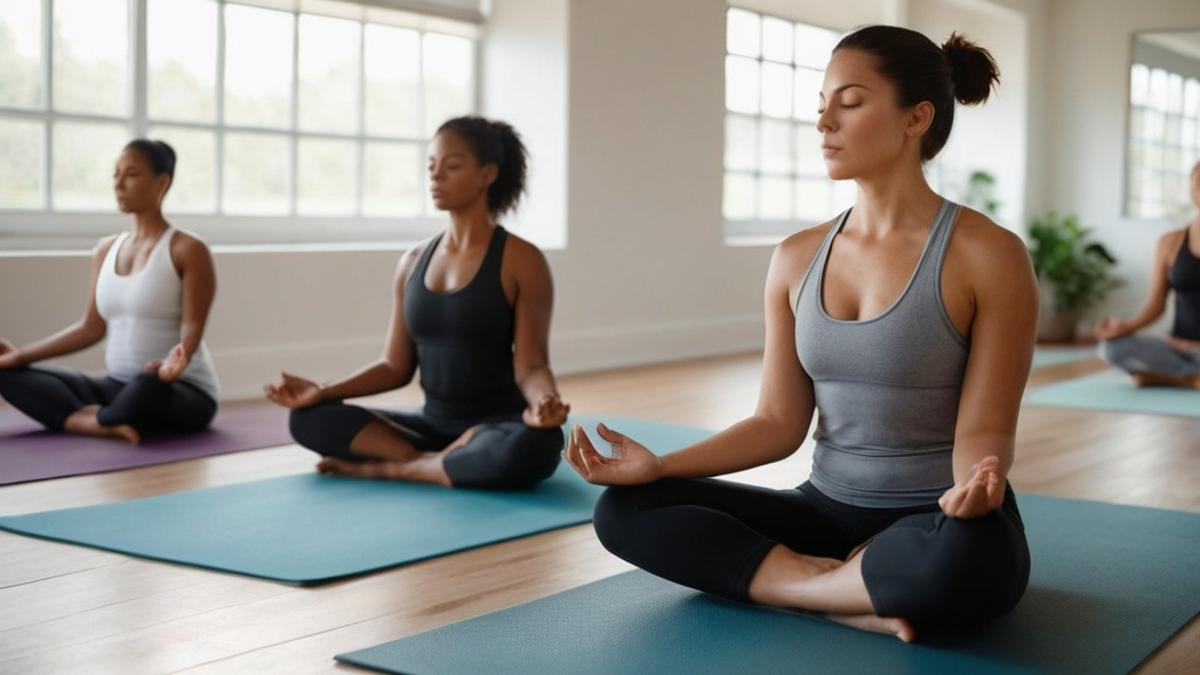
Essential Breathing Techniques to Relieve Stress: A Quick Reference Guide
Not all breathing techniques to relieve stress work the same way. Each method targets the nervous system differently, offering unique benefits depending on the situation. Below is a practical overview of the most effective stress relief breathing exercises and how they can transform daily routines into calmer, more focused experiences.
| Technique | Primary Benefit |
|---|---|
| Diaphragmatic Breathing | Lowers cortisol levels and activates the parasympathetic nervous system |
| 4-7-8 Method | Promotes fast relaxation, ideal for easy breathing techniques for anxiety |
| Box Breathing | Improves focus and emotional regulation under pressure |
| Alternate Nostril Breathing | Balances mental energy, supporting daily breathing habits for relaxation |
Understanding how to breathe to reduce stress starts with recognizing that these exercises require only minutes a day. Research highlights the benefits of deep breathing for stress, showing measurable reductions in heart rate and anxiety symptoms after just two weeks of consistent practice.
SEE ALSO: The importance of conscious breathing in reducing daily stress
The Science Behind Why These Techniques Actually Work
Skeptics often ask a fair question: how can something as simple as counting breaths change how the body responds to stress? The answer lies in the autonomic nervous system, which operates largely outside conscious control but happens to have one notable exception—breathing.
Slow, deliberate breathing activates the parasympathetic nervous system, often nicknamed the “rest and digest” branch, which counteracts the fight-or-flight response triggered by cortisol and adrenaline. Research published by Harvard Medical School has pointed to measurable drops in blood pressure and heart rate within minutes of practicing controlled breathing. This is part of why the benefits of deep breathing for stress extend beyond simply feeling calmer in the moment; they show up in actual physiological markers that researchers can track on a monitor.
Scientists studying this phenomenon have noted that the effect isn’t purely psychological placebo, either. Functional MRI scans have shown reduced activity in the amygdala, the brain’s alarm system, when subjects engage in slow-paced breathing exercises. Meanwhile, activity increases in the prefrontal cortex, the region responsible for rational decision-making and emotional regulation. This shift essentially gives people a biological override switch, allowing them to interrupt a stress spiral before it fully takes hold.
What Happens Inside the Body During a Single Session
During a typical stress response, breathing becomes shallow and rapid, often confined to the upper chest. This pattern signals danger to the brain, even when no real threat exists, like when a Chicago commuter is stuck in traffic but running late for a meeting.
Slowing the breath sends the opposite signal. The vagus nerve, which runs from the brainstem down through the chest and abdomen, plays a central role here. Stimulating it through slow exhalation appears to lower inflammation markers and improve heart rate variability, a metric increasingly used by wearable fitness trackers like Whoop and Oura Ring to gauge recovery and readiness.
A few physiological shifts commonly reported during and after breathing practice include:
- Reduced muscle tension, particularly in the shoulders and jaw
- Lower perceived exertion during physical activity
- Improved focus following short bouts of controlled breathing
- Gradual normalization of heart rate after a stressful event
- Decreased cortisol levels detectable in saliva samples within twenty minutes
Interestingly, the specific technique matters less than consistency. Whether someone practices a 4-7-8 pattern, box breathing favored by military personnel, or simple extended exhales, the underlying mechanism remains the same: longer exhalations relative to inhalations tend to produce the strongest calming effect, according to multiple physiology studies conducted over the past decade.
Workplace Applications Gaining Traction Across the Country
Corporate wellness programs from Seattle to Atlanta have started weaving breathing exercises into their offerings, sometimes alongside meditation apps or quiet rooms designed for quick resets. Some companies report fewer reported burnout symptoms among employees who consistently use structured breathing breaks, though results vary depending on how regularly the habit sticks.
What makes this approach appealing to employers is the lack of equipment or cost involved. Unlike gym memberships or therapy sessions, which carry financial and time barriers for many workers, stress relief breathing exercises require nothing beyond a few quiet minutes and a willingness to try.
Teachers, nurses, and customer service representatives, professions consistently ranked among the most stressful in national surveys, have increasingly turned to these methods during shift breaks. The appeal isn’t just anecdotal; it reflects a broader shift toward practical, low-barrier tools that fit into unpredictable schedules without requiring a complete lifestyle overhaul.
Human resources departments in industries ranging from tech startups in Austin to manufacturing plants in Ohio have started tracking absenteeism rates before and after introducing these programs. While comprehensive long-term data is still emerging, early internal reports suggest a modest but noticeable dip in sick days tied to stress-related complaints, prompting more companies to consider formal training sessions led by certified breathwork instructors.
CHECK OUT: Healthy Eating as an Ally in Stress Reduction
Bringing It All Together: A Habit Worth Building
The evidence gathered from labs, hospitals, and corporate wellness programs points to a fairly consistent conclusion: breathing techniques to relieve stress work not because of mystique or trend appeal, but because they tap into a nervous system pathway that has existed all along, mostly overlooked.
From the physiological shifts happening in the vagus nerve to the measurable dip in cortisol after a short session, the case for slowing down one’s breath is backed by more than good intentions. It’s backed by data that researchers continue to expand upon.
What stands out most, though, is accessibility. Nobody needs a subscription, a studio membership, or specialized equipment to practice easy breathing techniques for anxiety. A few minutes during a lunch break, a commute, or before a difficult conversation can shift how the body responds to pressure.
Learning how to breathe to reduce stress is less about mastering a complicated skill and more about returning to something the body already knows how to do, just with a bit more intention behind it.
Establishing daily breathing habits for relaxation doesn’t require perfection. Missing a day or forgetting a technique’s exact rhythm matters far less than returning to the practice consistently over weeks and months.
As more workplaces, schools, and healthcare providers across the country experiment with structured programs, it’s worth watching whether this modest habit becomes a standard recommendation alongside exercise and sleep hygiene, or remains a personal tool people discover largely on their own.
Either way, the invitation is simple: the next time stress creeps in, whether during a traffic jam in Los Angeles or a tense meeting in New York, a few slow, deliberate breaths might be the most underused resource already available.
Frequently Asked Questions
How quickly can breathing techniques actually reduce stress?
Many people notice a calming effect within 60 to 90 seconds of practicing slow, deep breathing because it activates the parasympathetic nervous system. Techniques like 4-7-8 breathing or box breathing can lower heart rate and cortisol levels almost immediately. For lasting stress relief, consistent daily practice over several weeks produces the best results.
What is the best breathing technique for stress relief beginners can try today?
Diaphragmatic breathing, also called belly breathing, is one of the simplest and most effective starting points for stress relief. You inhale slowly through your nose, letting your belly expand, then exhale slowly through your mouth. Practicing this for just five minutes a day can help train your body to respond to stress more calmly.
Can breathing exercises replace medication or therapy for anxiety and stress?
Breathing techniques are a helpful complementary tool but are not designed to replace professional treatment for chronic anxiety or clinical stress disorders. They work well alongside therapy, medication, or lifestyle changes recommended by a healthcare provider. If stress is significantly impacting your daily life, it’s important to consult a doctor or mental health professional.
How many times a day should I practice breathing techniques to relieve stress?
Most experts recommend practicing breathing exercises two to three times daily, such as in the morning, midday, and before bed, for five to ten minutes each session. Consistency matters more than duration, so even short, regular sessions build a stronger stress-response habit over time. You can also use these techniques as needed during acute stressful moments.
Are there specific breathing techniques better suited for work-related stress versus nighttime anxiety?
For work-related stress, quick techniques like box breathing or the physiological sigh are ideal because they can be done discreetly at a desk in under two minutes. For nighttime anxiety, slower methods like 4-7-8 breathing or extended exhale breathing help slow the nervous system down to prepare the body for sleep. Matching the technique to the situation helps maximize its calming effect.

Linda Carter
Linda Carter is a writer specializing in healthy habits and balanced living. With extensive experience helping readers build sustainable routines, she shares practical guidance on nutrition, physical activity, quality sleep, stress management, and emotional well-being. Her goal is to offer simple, accessible strategies that inspire people to care for their health and enjoy a more balanced life.