Harnessing the Power of Nature: How Outdoor Activities Can Reduce Stress and Improve Well-Being

Why Getting Outside Might Be Your Best Stress Reliever
Picture this: a lunch break spent walking through a local park instead of scrolling through emails. Studies suggest this simple swap could lower cortisol levels within minutes, offering a quick reset button for anyone juggling deadlines, notifications, and the general chaos of modern life.
Across the United States, from the trails of Colorado to the beaches of Florida, Americans are rediscovering that outdoor activities reduce stress in ways that indoor routines simply cannot match. Whether it’s a hike through the Rocky Mountains or a barefoot stroll along the Gulf Coast, the outdoors seems to offer something screens and gyms cannot replicate.
The Science Behind Nature’s Calming Effect
Researchers have long explored the connection between green spaces and emotional balance. The results consistently point to one truth: nature benefits for mental health are both measurable and significant. Scientists studying urban populations in cities like Chicago and Seattle have found that even brief exposure to parks or tree-lined streets can shift brain activity away from patterns associated with rumination and anxiety.
- Lower blood pressure after just 20 minutes outdoors
- Reduced anxiety symptoms linked to regular park visits
- Improved mood following light physical activity in natural settings
- Better sleep quality among those who spend time outside daily
- Increased focus and cognitive clarity after time spent in green environments
Interestingly, some studies suggest that the type of natural setting matters less than the act of simply being present in it. A backyard garden in suburban Ohio may offer similar calming effects to a national forest in Oregon, provided the mind has space to slow down.
A Growing Movement Toward Outdoor Wellness
Fitness trends now increasingly emphasize stress relief through outdoor exercise, from trail running clubs in Austin to outdoor yoga sessions in New York City parks. This shift isn’t just a wellness fad, it’s backed by data showing that time spent in green environments can rival, or even outperform, traditional relaxation techniques like meditation apps or indoor stretching routines.
So, what exactly happens when we step outside? How can something as simple as a walk in the woods reshape our mental health, recalibrate our nervous system, and even influence long-term emotional resilience?
This article explores how to improve well-being with nature, highlighting practical outdoor activities for relaxation and the deeper mental health and nature connections that science continues to uncover, offering readers a compelling reason to close their laptops and step outside more often.
YOU MAY ALSO LIKE: The importance of meditation in managing daily stress
# The Physiology of Stepping Outside: What Your Body Actually Does in Nature
When feet hit a dirt trail or sand meets skin, something measurable happens beneath the surface. Heart rate variability shifts. Cortisol, the body’s primary stress hormone, begins to drop. This isn’t wishful thinking, it’s documented physiology, and it explains why outdoor activities reduce stress so effectively compared to indoor alternatives.
What Happens Inside the Body During Outdoor Exposure
Researchers at Stanford University tracked participants who walked through natural settings versus urban environments. The nature walkers showed decreased activity in the subgenual prefrontal cortex, a brain region tied to depressive rumination. Meanwhile, the urban walkers showed no such change.
This finding matters because it points to something specific: nature doesn’t just distract the mind, it actively rewires how the brain processes stress in real time. The implications stretch far beyond a single afternoon walk, suggesting that repeated exposure could reshape neural pathways over months or years.
Consider what a typical outdoor session can trigger physiologically:
- Decreased cortisol production within 15 to 20 minutes of exposure to green space
- Slower heart rate and reduced blood pressure during light outdoor movement
- Increased serotonin release linked to sunlight exposure and fresh air
- Enhanced parasympathetic nervous system activity, the body’s natural relaxation response
- Lower levels of inflammatory markers associated with chronic stress
These aren’t abstract benefits reserved for wilderness retreats. A jog through a neighborhood park in Minneapolis or a bike ride along a Los Angeles bike path can trigger the same biological cascade. Even fifteen minutes spent sitting on a bench near a community garden in Austin has been shown to nudge these systems in a measurable direction.
Why Green Spaces Outperform Indoor Alternatives
Gyms offer structure. Meditation apps offer guidance. But neither replicates what happens when natural light, fresh air, and organic movement combine outdoors.
A study published by the University of Michigan found that participants who walked in nature showed a 20 percent improvement in memory and attention compared to those who walked along busy city streets. The difference wasn’t exercise intensity, both groups moved at similar paces. The difference was environment.
This is where stress relief through outdoor exercise separates itself from standard fitness routines. It’s not simply about burning calories or hitting step counts. It’s about immersing the nervous system in stimuli that signal safety rather than urgency, birdsong instead of traffic horns, open horizons instead of fluorescent lighting.
Scientists refer to this phenomenon as attention restoration theory, the idea that natural environments allow the brain’s directed attention systems to rest while a gentler, involuntary form of attention takes over. Waterfalls, rustling leaves, and shifting cloud patterns capture focus effortlessly, unlike the demands of a ringing phone or a computer screen.
For many Americans balancing demanding careers and constant connectivity, this distinction offers a compelling reason to reconsider where, not just how, they choose to move their bodies each day. Something as simple as swapping a treadmill session for a walk through a local greenway could carry physiological consequences far greater than most people realize, and the science behind it continues to grow more convincing with each new study.
LEARN MORE: The role of sleep in stress management and the promotion of well-being
Finding Your Dose: How Much Nature Actually Moves the Needle
Prescriptions for nature are becoming literal. Doctors in Washington, D.C., New Mexico, and Vermont now write “park prescriptions,” directing patients toward specific trails and green spaces the same way they might prescribe medication. The practice, called ParkRx, has spread to more than 100 programs nationwide, with physicians handing out slips that list a trailhead, a recommended duration, and sometimes even a suggested bench where patients can sit and simply breathe.
This shift raises an obvious question: how much time outside actually produces results? Researchers at the University of Exeter analyzed data from nearly 20,000 people and landed on a specific figure. Spending 120 minutes per week in natural settings was associated with significantly higher levels of reported health and well-being, regardless of how those minutes were divided. The study, published in Scientific Reports, tracked participants across various demographics, income levels, and urban versus rural settings, finding the pattern held remarkably steady across the board.
Breaking Down the Weekly Nature Dose
That two-hour threshold doesn’t require a dramatic lifestyle overhaul. It can be assembled from small, repeatable choices scattered across a week:
- A 20-minute walk during lunch breaks, five days a week
- Weekend hikes through state parks or regional forest preserves
- Gardening sessions in a backyard or community plot
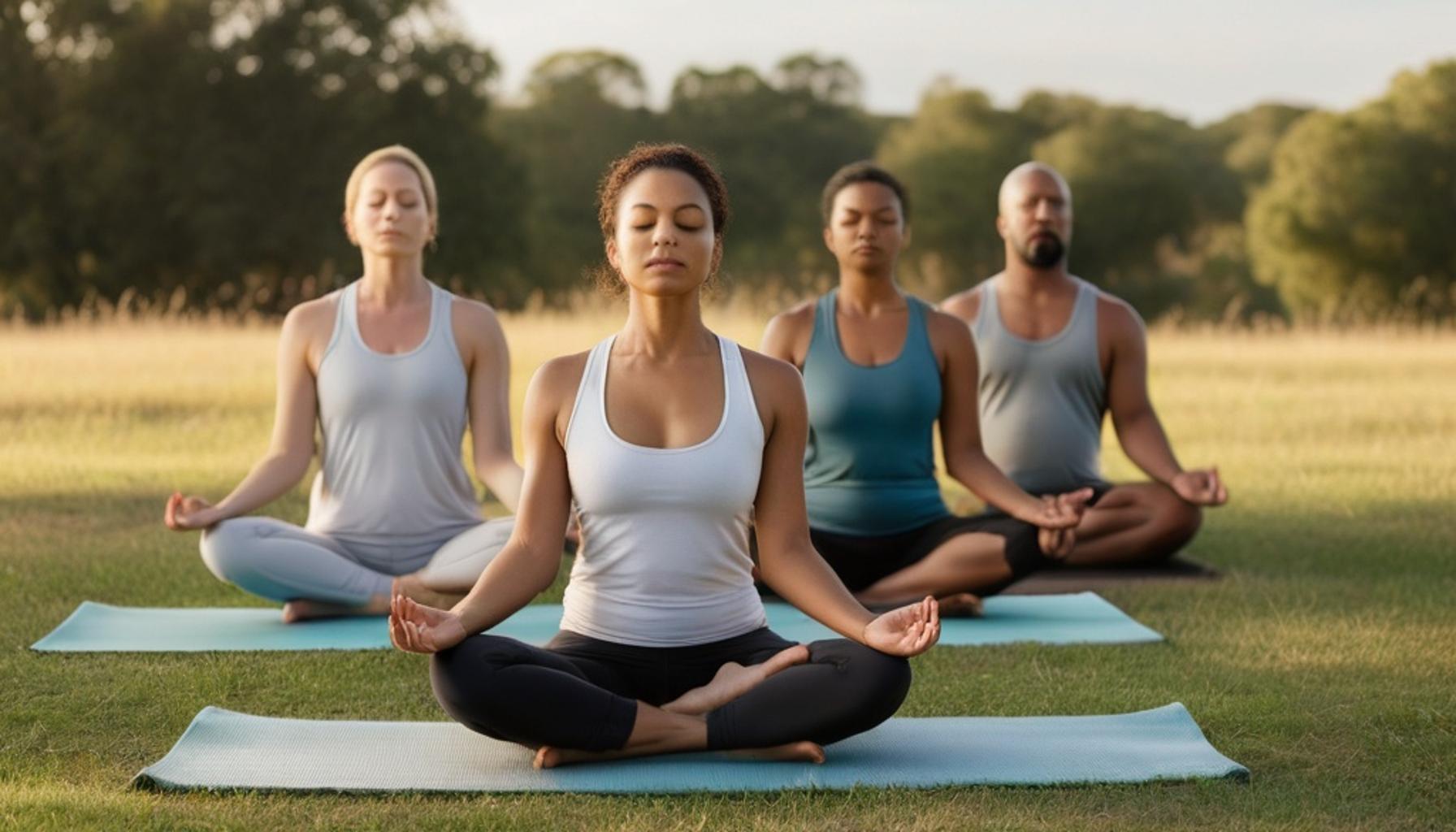
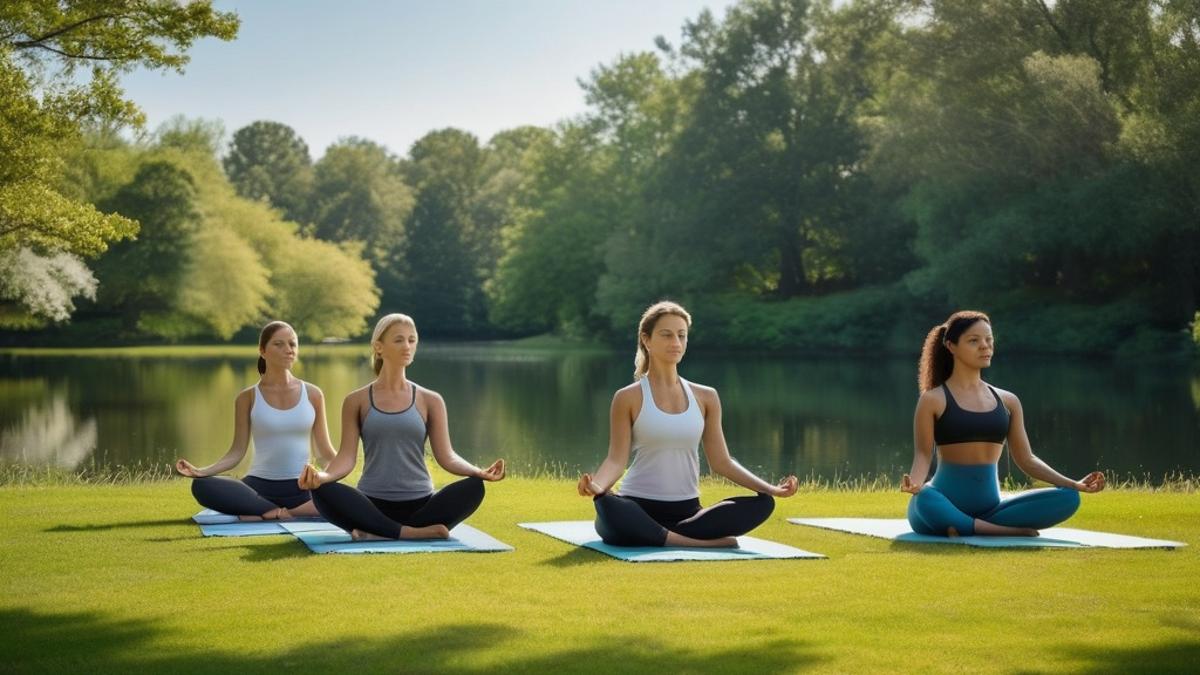
- Outdoor yoga or stretching routines on a porch or balcony
- Cycling along riverside paths instead of stationary bikes indoors
What’s notable is that the benefits plateaued after roughly 200 to 300 minutes, meaning more isn’t always better. This makes outdoor activities for relaxation accessible even to people with demanding schedules, since the payoff arrives long before anyone needs to quit their job and move into a cabin. For someone in Atlanta or Phoenix juggling a commute and childcare, this is welcome news: the research suggests consistency beats intensity, and even fragmented exposure counts toward the weekly total.
Interestingly, the type of green space mattered less than expected. A municipal park wedged between apartment buildings appeared to offer comparable psychological lift to a sprawling wilderness area, provided the visit included some degree of unstructured, unhurried time.
The Overlooked Role of Forest Bathing and Sensory Engagement
In Japan, the practice of shinrin-yoku, translated roughly as forest bathing, has been studied since the 1980s. American researchers have since replicated similar findings in places like the Pacific Northwest and the Appalachian Trail corridor. Participants who engaged in slow, deliberate sensory immersion, touching bark, listening to wind, noticing light through leaves, showed lower salivary cortisol than those who simply walked briskly through the same setting.
This suggests that pace and attention matter as much as location. Rushing through a park while checking a smartwatch may deliver less of a psychological reward than sitting quietly beside a creek for ten unhurried minutes. Some researchers have begun measuring heart rate variability alongside cortisol, finding that deliberate breathing exercises performed outdoors amplify the calming effect even further, essentially stacking two relaxation techniques into one session.
Urban planners have taken notice. Cities including Portland, Denver, and Chicago have expanded green corridors and pocket parks specifically to give residents easier access to these low-barrier nature benefits for mental health, recognizing that not everyone has a national forest within driving distance. This connection between mental health and nature has become central to how these cities design public spaces, prioritizing accessibility over aesthetics alone. Chicago’s 606 trail and Denver’s ongoing river corridor projects illustrate how former industrial land can be repurposed into therapeutic infrastructure, blurring the line between city planning and public health strategy.
The Takeaway: Nature as Everyday Medicine
The evidence gathered here points to a simple conclusion: outdoor activities reduce stress not through some vague, feel-good notion, but through measurable, replicable physiological shifts. Lower cortisol, improved heart rate variability, and higher self-reported well-being aren’t anecdotal claims, they’re findings backed by institutions like the University of Exeter and decades of shinrin-yoku research in Japan.
What makes this particularly encouraging for Americans juggling packed schedules is the accessibility of it all. Nobody needs a wilderness expedition or a mountain cabin to see results. A twenty-minute walk through a Chicago pocket park, a Saturday hike in a Vermont state forest, or ten quiet minutes beside a creek in the Appalachians can all contribute to that 120-minute weekly threshold researchers have identified as meaningful.
Reconsidering What Counts as Treatment
The rise of ParkRx programs across more than 100 U.S. cities signals a broader shift in how the medical community views prevention. When physicians start prescribing trailheads alongside medication, it suggests that nature benefits for mental health are no longer fringe ideas but recognized components of comprehensive care.
This reframes the conversation entirely. Rather than treating time outdoors as a luxury reserved for vacations, it becomes a maintainable, low-cost strategy for stress relief through outdoor exercise that fits into ordinary weeks.
Cities investing in green corridors, from Denver’s river projects to Chicago’s converted rail lines, are essentially building public health infrastructure disguised as scenery. That distinction matters. As more research clarifies the mental health and nature connection, the responsibility shifts toward making green space genuinely accessible, not just aspirational.
For readers wondering where to start, the answer seems refreshingly modest: step outside, slow down, and let the minutes accumulate. The science suggests that’s enough to improve well-being with nature, no elaborate plan required.
Frequently Asked Questions
How do outdoor activities reduce stress compared to indoor exercise?
Outdoor activities reduce stress by combining physical movement with exposure to natural light, fresh air, and green scenery, which lowers cortisol levels more effectively than indoor workouts alone. Studies show that being in nature calms the nervous system and boosts mood-enhancing chemicals like serotonin. This dual benefit of movement and nature exposure makes outdoor exercise particularly powerful for stress relief.
How much time outdoors is needed to see stress-reducing benefits?
Research suggests that just 20 to 30 minutes of outdoor activity, such as walking or gardening, can significantly lower stress hormones and improve mood. For more lasting benefits, aiming for at least 120 minutes per week in nature is linked to better overall well-being. Even short daily doses of outdoor time can make a noticeable difference in how you feel.
What are the best outdoor activities for reducing stress and anxiety?
Walking, hiking, cycling, and gardening are among the most effective outdoor activities for reducing stress and anxiety, as they combine gentle exercise with natural surroundings. Activities like forest bathing or simply sitting in a park can also calm the mind without requiring intense physical effort. The key is consistency, so choosing an activity you enjoy makes it easier to stick with long term.
Can outdoor activities help with mental health conditions like depression?
Yes, outdoor activities can be a valuable complement to traditional treatment for depression, as exposure to nature and physical activity both help regulate mood and reduce feelings of hopelessness. Sunlight exposure during outdoor time also boosts vitamin D and serotonin production, which are linked to improved mental health. While outdoor activities are not a replacement for professional care, they can support overall emotional resilience.

Linda Carter
Linda Carter is a writer specializing in healthy habits and balanced living. With extensive experience helping readers build sustainable routines, she shares practical guidance on nutrition, physical activity, quality sleep, stress management, and emotional well-being. Her goal is to offer simple, accessible strategies that inspire people to care for their health and enjoy a more balanced life.