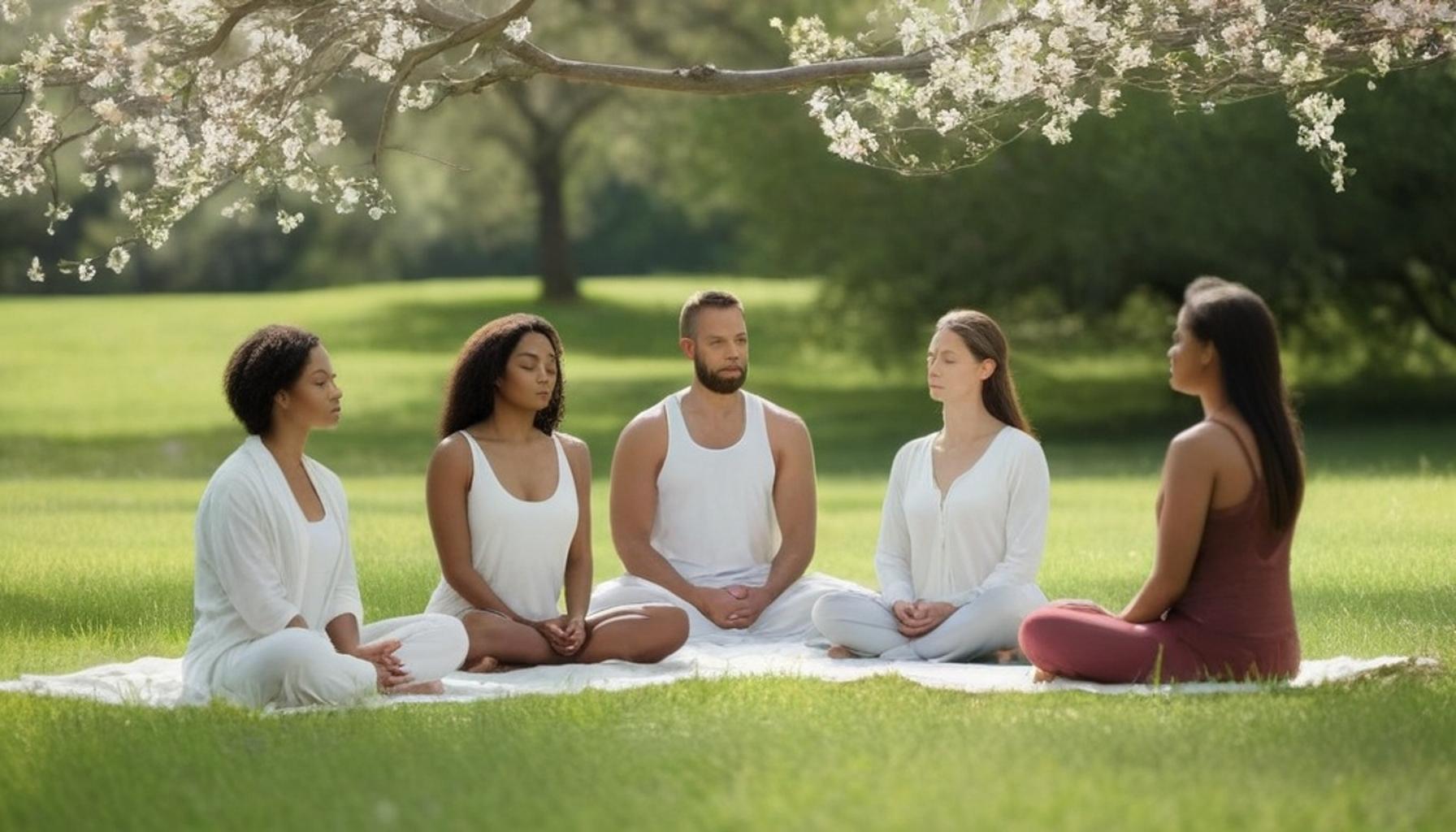
Creative Outlets: Using Art and Music for Emotional Expression and Well-Being

Finding Your Voice Through Color, Sound, and Movement
Across the United States, millions of people are picking up paintbrushes, guitars, and journals not to create masterpieces, but to survive a hard day. Art and music for emotional expression has quietly become one of the most accessible tools for mental health support in modern life. Unlike therapy sessions that require appointments and insurance approval, a sketchbook or an old piano in the living room is available at any hour, whenever the weight of the day becomes too much to carry silently.
From Nashville songwriting circles to community art studios in Brooklyn, creative practices are proving to be more than hobbies. They are lifelines. Veterans processing combat trauma, teenagers navigating social anxiety, and retirees coping with loss are all finding, somewhat unexpectedly, that a blank canvas or an empty page can hold what words alone cannot.
Why Creativity Is Gaining Ground as a Wellness Tool
Mental health professionals increasingly recommend creative outlets for mental health alongside traditional treatment. Research from the American Art Therapy Association suggests that even 45 minutes of creative activity can significantly lower stress hormone levels, regardless of artistic skill. This finding matters because it removes the pressure of talent from the equation entirely. You do not need to paint like a professional to feel the physiological benefits.
This shift is reshaping how Americans think about self-care, moving it away from luxury spa days and toward something more grounded and repeatable. Hospitals in cities like Chicago and Los Angeles have begun integrating music and art programs directly into patient care, recognizing that recovery is not purely physical. Consider what these outlets offer:
- A nonverbal way to process trauma, grief, or anxiety when spoken language feels insufficient or too exposing
- Structured programs backed by clinical research, known as art therapy, often facilitated by licensed practitioners
- Accessible entry points, from doodling to drumming, requiring no prior training or expensive equipment
- Community connection through group classes, open mics, and local workshops that combat isolation
What This Article Will Explore
This piece examines the science and stories behind music for emotional well-being and visual art practices, drawing on both clinical studies and firsthand accounts from people who never considered themselves “creative types” until circumstances pushed them toward a canvas or a chord progression. It also breaks down the benefits of art therapy for anxiety, depression, and stress management, examining how specific techniques translate into measurable emotional shifts.
Readers will discover practical guidance on how to use art for therapy, even without formal training, including simple exercises that therapists themselves often recommend for home practice. The connection between artistic expression and emotions is not just poetic, it is backed by neuroscience, clinical practice, and countless personal transformations happening in studios and living rooms nationwide, one brushstroke and one chorus at a time.
LEARN MORE: The importance of daily meditation for mental health and emotional balance
The Science Behind Why Art and Music Move Us
Long before researchers had brain scanners, humans instinctively understood that rhythm and color could shift a mood. Now neuroscience is catching up to what songwriters and painters have always known. Art and music for emotional expression activate regions of the brain tied to memory, reward, and emotional regulation, including the amygdala and prefrontal cortex, in ways that talking alone often does not.
A 2021 study published in Frontiers in Psychology found that listening to self-selected music reduced cortisol levels by up to 25 percent in participants facing high-stress situations. That is not a small effect. It is comparable to results seen in some relaxation training programs, minus the cost of a therapist’s hourly rate. Researchers at institutions like Johns Hopkins have gone further, using functional MRI scans to map how improvisational music-making lights up the brain’s reward circuitry almost instantly, sometimes within seconds of the first note played.
How the Body Responds to Creative Engagement
Drawing, sculpting, and playing an instrument engage what psychologists call bilateral stimulation, meaning both hemispheres of the brain work together during the process. This is part of why music for emotional well-being has become a serious clinical focus, not just an alternative wellness trend confined to yoga studios and wellness blogs. Major medical centers across the country, from the Cleveland Clinic to UCLA Health, now incorporate creative arts programming directly into recovery wings.
Physiologically, creative activity has been linked to several measurable changes:
- Lowered heart rate and blood pressure during sustained focus on a creative task
- Increased dopamine release, similar to the reward response triggered by exercise
- Reduced activity in the default mode network, the brain region associated with rumination and anxious looping thoughts
- Improved emotional regulation reported in patients undergoing cancer treatment and chronic pain management
- Better sleep quality among participants who engaged in evening creative rituals, according to several small-scale clinical trials
These findings help explain why hospitals from Boston to Houston are hiring board-certified music therapists as part of standard patient care teams, not as an occasional add-on. Some pediatric units even use songwriting sessions to help young patients process fear before surgery, giving children a sense of control in an otherwise unfamiliar environment.
From Ancient Ritual to Modern Prescription
Humans have used drumming, chanting, and cave painting to process fear and celebration for tens of thousands of years. What has changed is the formal recognition of these practices within clinical settings. The benefits of art therapy are now documented extensively enough that many insurance providers cover sessions led by licensed creative arts therapists, particularly for veterans, trauma survivors, and children with developmental challenges. The Department of Veterans Affairs, for instance, has expanded creative arts therapy programs at facilities nationwide, citing measurable improvements in PTSD symptom management.
This is not about romanticizing struggle or suggesting that a guitar can replace medication when it is medically necessary. It is about recognizing that artistic expression and emotions are deeply intertwined at a biological level, and that ignoring this connection means overlooking a legitimate, research-backed avenue for healing. For many people, the studio or the practice room has become as important as the therapist’s office down the hall, and the evidence suggests that trend is only likely to grow.
Exploring Art and Music for Emotional Expression: Key Creative Outlets at a Glance
Before diving deeper into specific techniques, it helps to see how different creative outlets for mental health compare. The table below summarizes core practices used in art and music for emotional expression, highlighting their unique benefits for emotional well-being.
| Creative Practice | Emotional & Wellness Benefit |
|---|---|
| Art Therapy | Uses drawing and painting to release benefits of art therapy, reducing anxiety and processing trauma nonverbally. |
| Music Therapy | Listening or composing supports music for emotional well-being, lowering cortisol and improving mood regulation. |
| Journaling | Writing thoughts clarifies feelings, strengthening artistic expression and emotions through reflection. |
| Dance Movement | Physical expression releases tension, showing practical ways in how to use art for therapy daily routines. |
YOU MAY ALSO LIKE: The Importance of Daily Meditation for Mental Well-Being
# Practical Ways to Turn Creative Outlets Into Daily HabitsUnderstanding the science is one thing. Actually building a creative practice into a busy American schedule, wedged between work emails and school pickups, is another challenge entirely. The good news is that how to use art for therapy does not require formal training or expensive supplies. It requires consistency and a willingness to be imperfect on purpose.
Starting Small Without a Studio
Most people abandon creative habits within weeks because they set the bar too high. A therapist does not need a gallery-worthy painting to see benefits, and a beginner does not need perfect pitch to experience the emotional release of singing in the car. Community centers in cities like Denver, Chicago, and Minneapolis have reported rising enrollment in adult art classes specifically marketed toward stress relief rather than skill-building, a subtle but important shift in framing.
Several low-barrier entry points have gained traction among wellness professionals:
- Keeping a five-minute daily sketchbook, without judgment on the outcome
- Building a mood-based playlist and updating it weekly as emotions shift
- Journaling with colored pencils instead of pens to engage a different part of the brain
- Trying free-form movement or dance in a private space, no choreography required
- Joining a community choir or drum circle, many of which welcome complete beginners
Where Creative Outlets Fit Into Mental Health Treatment
Licensed professionals increasingly view creative outlets for mental health as a complement to, not a replacement for, traditional treatment. The American Art Therapy Association reports steady growth in credentialed practitioners across the country, with particularly strong demand in school systems addressing adolescent anxiety and in addiction recovery centers.
Rehabilitation programs in states like California and Florida have started integrating group music sessions into 12-step curricula, citing improved group cohesion among participants who otherwise struggle to open up verbally. This mirrors findings from the National Institutes of Health, which has funded multiple studies exploring creative arts interventions for depression, with some showing symptom reduction comparable to structured talk therapy over an eight-week period.
Choosing the Right Medium for Your Emotional Needs
Not every creative outlet works for every person, and that mismatch often explains why someone tries painting once, feels nothing, and gives up entirely. Visual art tends to suit people processing complex or wordless trauma, since it bypasses the need for language altogether. Music, by contrast, often works faster for regulating acute anxiety or agitation, largely because rhythm can directly influence heart rate within minutes.
Writing and performance-based outlets, including spoken word and theater, tend to resonate with people who need to externalize a specific narrative, particularly around grief or identity. Occupational therapists frequently recommend experimenting across mediums for several weeks before settling into one practice, since the goal is finding a genuine emotional response rather than forcing a habit that feels obligatory.
Final Thoughts: Making Room for Creativity in Everyday Life
The evidence keeps pointing in the same direction: art and music for emotional expression are not luxuries reserved for the artistically gifted. They are accessible tools, backed by a growing body of research, that offer measurable relief from stress, anxiety, and emotional overwhelm. From community drum circles in Minneapolis to art therapy programs embedded in California rehabilitation centers, the momentum behind this approach is difficult to ignore.
What makes this movement compelling is its flexibility. There is no single correct entry point. Some people find clarity through a paintbrush, others through a chord progression, and still others through the simple act of moving their body without choreography. The benefits of art therapy and similar practices tend to emerge not from talent but from repetition and honest engagement.
It is worth remembering that music for emotional well-being and visual expression are not substitutes for professional care when it is needed. Rather, they function as a bridge, a daily practice that keeps emotional pressure from building unchecked between therapy sessions or during periods when support feels out of reach.
Readers curious about deepening this practice might consider:
- Tracking mood changes before and after a creative session for a few weeks
- Exploring local community programs, many of which are free or low-cost
- Staying open to switching mediums if one does not produce a genuine response
The relationship between artistic expression and emotions is still being mapped by researchers, but the early data, paired with centuries of anecdotal evidence, suggests something worth taking seriously. Picking up a pencil or humming a half-remembered tune may be one of the more underrated forms of self-care available, and it costs nothing to try.
Frequently Asked Questions
Do I need artistic talent to benefit from using art and music for emotional expression?
No, the emotional and psychological benefits come from the process of creating, not the quality of the final product. Scribbling with crayons, humming a tune, or free-form drumming can release stress and process feelings just as effectively as skilled work. Focus on expression over perfection to get the most out of these outlets.
How much time should I spend on creative activities each week to notice mood improvements?
Many studies on art therapy and music-based interventions show benefits with as little as 20 to 45 minutes, a few times per week. Consistency matters more than duration, so short daily sessions of journaling, sketching, or listening to music can be more effective than occasional long sessions. Start small and build the habit gradually.
What’s the difference between listening to music and actively making music for stress relief?
Listening to music can quickly lower cortisol levels and shift mood by triggering emotional memory and relaxation responses. Actively making music, such as singing or playing an instrument, engages more brain regions and offers a stronger sense of agency and emotional release. Both are valuable, but active creation tends to produce deeper feelings of accomplishment and catharsis.
Can art journaling help with processing anxiety or grief specifically?
Yes, art journaling combines visual expression with reflective writing, which can help externalize difficult emotions that feel too overwhelming to verbalize directly. Techniques like color mapping feelings or drawing abstract representations of loss give anxiety and grief a tangible form outside the mind. This process often makes emotions feel more manageable and less isolating.
Is it better to work with a licensed art or music therapist, or can self-guided creative practice be just as effective?
Self-guided creative practice can meaningfully support everyday emotional well-being and stress reduction for most people. However, a licensed art or music therapist is recommended for processing trauma, severe anxiety, or depression, since they use structured techniques to guide emotional breakthroughs safely. Combining both approaches often works well, using therapy for deeper issues and personal practice for daily maintenance.

Linda Carter
Linda Carter is a writer specializing in healthy habits and balanced living. With extensive experience helping readers build sustainable routines, she shares practical guidance on nutrition, physical activity, quality sleep, stress management, and emotional well-being. Her goal is to offer simple, accessible strategies that inspire people to care for their health and enjoy a more balanced life.